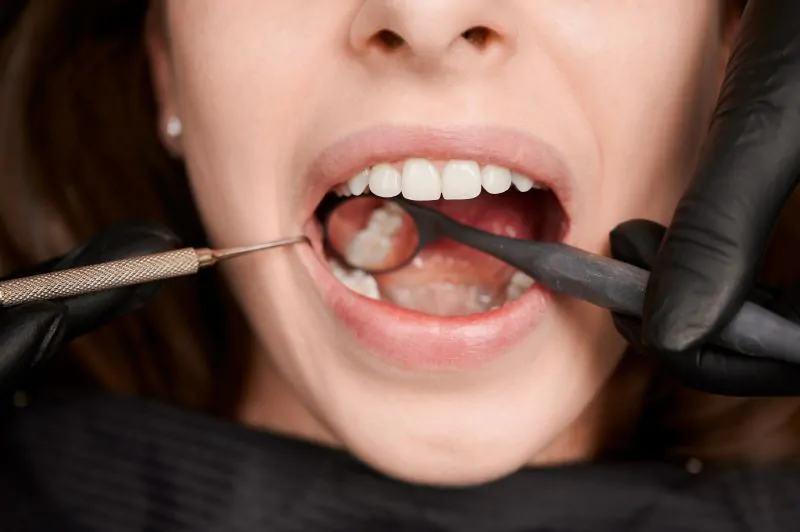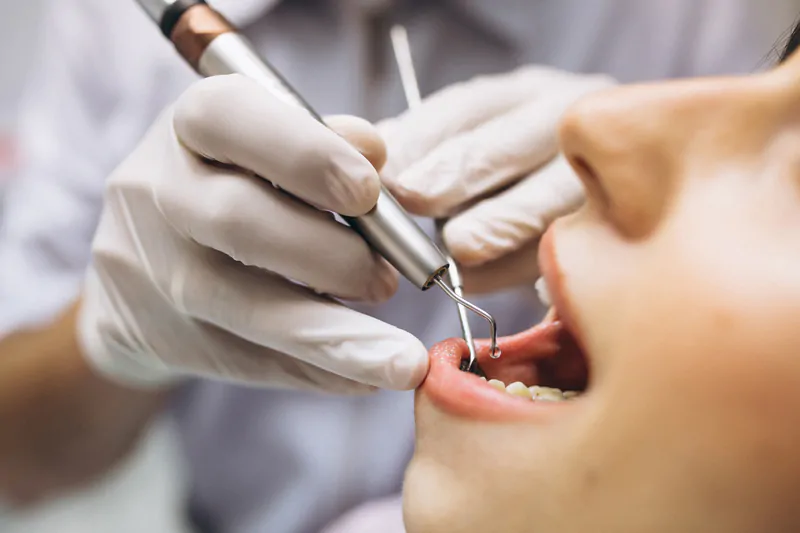
Gum health is vital to a bright, lasting smile. Many people ignore small signs of irritation.
Many people suffer from hidden gum issues every single day. Early detection can save your teeth.
Dentists often recommend a deep cleaning treatment for scaling. This procedure targets bacteria below the gums.
This is a common choice for Australians seeking care in Bali. Traveling for dental work is very popular now.
Bali Sudirman Medical Centre offers expert dental solutions for tourists. They provide high-quality care at affordable rates.
Understanding these procedures helps you make the best health decisions. Let us explore the differences in detail.
The Foundation of Periodontal Health
Healthy gums are pink and firm. They fit snugly around every tooth. However, bacteria constantly form a film called plaque. If you do not remove plaque, it hardens. This hardened layer is known as calculus or tartar.
Tartar creates a home for more bacteria. This leads to inflammation of the gum tissue. This condition is called gingivitis in its early stage. If left untreated, it progresses to periodontitis. Periodontitis is a serious infection that destroys bone.
A standard cleaning only reaches above the gum line. Deep cleaning is a first-line nonsurgical treatment for periodontitis. It involves two main steps: scaling and root planing. These steps work together to restore oral health.
The Role of Dental Scaling
Scaling is the first essential step. It involves carefully removing plaque and tartar. The dentist cleans the tooth’s visible surface. They also reach deep into the periodontal pockets. These pockets are gaps between the tooth and gum.
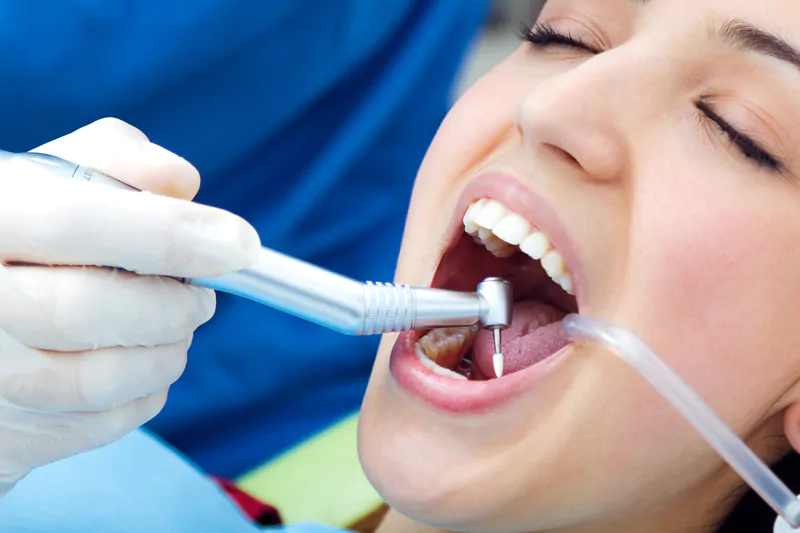
Dentists use specialized tools for this task. Ultrasonic instruments use vibrations to break up tartar. Manual instruments, called scalers, help with precision cleaning. Proper scaling removes deposits without harming the tooth structure. It clears the environment of harmful pathogens.
The Mechanics of Root Planing
Root planing follows the scaling process. It focuses on the roots of the teeth. Over time, roots can become rough and infected. These rough spots allow bacteria to thrive easily. Root planing smooths out these uneven areas on the root.
The goal is to remove bacterial toxins. Smoothing the root promotes better healing. It allows the gum tissue to reattach properly. This reattachment helps to shrink the periodontal pockets. It is a vital step for stopping disease progression.
“Nonsurgical periodontal therapy is the cornerstone of treatment. Scaling and root planing can significantly reduce clinical inflammation.”
— American Academy of Periodontology (AAP) Clinical Statement
Direct Comparison: Scaling vs. Root Planing
Many patients confuse these two terms. While they happen during the same visit, they differ. Scaling is like cleaning the exterior of a building. Root planing is like repairing the foundation beneath the ground.
- Focus: Scaling targets the crown and upper root. Root planing targets the deep root surface.
- Result: Scaling leaves the teeth clean. Root planing leaves the roots smooth and sterile.
- Goal: Scaling removes the irritant. Root planing encourages the tissue to heal and reattach.
Important Gum Health Statistics
Gum disease is more common than most realize. It affects millions of adults worldwide. The Centers for Disease Control and Prevention (CDC) provides clear data. Understanding these numbers shows the importance of care.
- Approximately 47.2% of adults over age 30 have some form of periodontitis.
- This figure increases significantly with age.
- About 70.1% of adults 65 and older have periodontal disease.
- One in four adults has untreated dental caries.
- Gum disease is one of the leading causes of adult tooth loss.
Why Seek Care: The Systemic Health Link
Your mouth is the gateway to your body. Issues in your gums can affect your heart. Bacteria from the mouth can enter the bloodstream. This can cause inflammation in other vital organs. Studies show links between gum disease and diabetes.
Managing periodontitis helps control blood sugar levels. It may also reduce the risk of heart disease. Pregnant women with gum disease face higher risks. They may experience premature births or low birth weights. Deep cleaning is an investment in your whole body.
Modern Dental Care for Australians in Bali
Many people find dental costs very high at home. This is especially true for Australians in Bali. They look for high-quality care at a better price. Bali has become a premier destination for dental tourism.
Clinics in Bali use the same Western technology. They follow international safety and hygiene standards. Patients can receive expert deep cleaning treatments. They also enjoy the island’s beauty during recovery. It is a stress-free way to handle dental issues.
Bali Sudirman Medical Centre Offers Quality
Choosing a clinic is a very big decision. Bali Sudirman Medical Centre offers a professional and welcoming environment. Their dental team specializes in periodontal treatments. They use advanced diagnostic tools to assess gum health.
The staff provides clear explanations in English. This ensures that international patients feel comfortable. They focus on gentle techniques to minimize discomfort. At BSMC, the patient’s health is always the priority. You can expect a high standard of clinical excellence.
“The primary goal of scaling and root planing is to remove the biological triggers for inflammation. This allows the host to heal naturally.”
— Dr. Terrence Griffin, Noted Periodontal Expert
The Deep Cleaning Process: What to Expect
A deep cleaning usually takes more than one visit. The dentist may work on one side at a time. This keeps the procedure comfortable for you. They will first evaluate your pocket depths with a probe. This helps them identify the most affected areas.
Most patients receive a local anesthetic. This ensures you feel no pain during the process. You might feel some pressure from the tools. This is normal. The entire session usually lasts between 60 and 90 minutes.
1. Initial Numbing
The dentist applies a numbing gel to the gums. Then, they inject a local anesthetic for deeper comfort. You will remain awake throughout the whole procedure.
2. Scaling the Pockets
The dentist uses ultrasonic tools to remove tartar. They carefully clean the space between the tooth and the gum. This removes the main source of the infection.
3. Detailed Root Planing
The roots are smoothed using specialized hand tools. This removes any lingering bacterial colonies. It creates a healthy surface for the gum to grip.
4. Final Rinsing
The dentist rinses the area with an antimicrobial solution. This helps to flush out any remaining debris. It also helps to start the disinfection process immediately.
Recovery and Post-Treatment Care
Your gums may feel tender after the procedure. Some slight swelling or bleeding is common for 48 hours. This is the body’s natural response to healing. You should avoid eating until the numbness goes away. This prevents accidental tongue biting.
Stick to soft foods for the first few days. Avoid very hot, cold, or spicy items. Use a soft toothbrush and brush very gently. Rinsing with warm salt water can reduce discomfort. Most patients feel much better within a week.
Maintaining Results and Follow-ups
Deep cleaning is only the first step. You must maintain good habits at home. Brush twice a day with fluoride toothpaste. Flossing is essential to keep the pockets clean. Consider using an interdental brush for wider gaps.
Periodontal maintenance visits are usually necessary. These happen every three to four months. The dentist will monitor your gum reattachment levels. Consistent maintenance prevents the disease from returning. It is the best way to keep your teeth for life.
Misconceptions About Deep Cleaning
Some fear that deep cleaning makes teeth loose. This is a common misunderstanding. The procedure removes tartar that was masking existing damage. It does not cause the bone or tissue loss itself.
In fact, cleaning allows the gums to tighten. This can actually stabilize slightly mobile teeth. Others worry about the procedure’s pain. With modern anesthesia, discomfort is very minimal. Do not let myths prevent you from getting care.
Frequently Asked Questions (FAQ)
1. How do I know if I need scaling and root planing?
Only a dentist can confirm this after an exam. Common signs include red, swollen, or bleeding gums. Persistent bad breath is also a major indicator. Your dentist will measure your pocket depths during your visit.
2. Is the procedure covered by insurance?
Most dental insurance plans cover deep cleaning. However, it depends on your specific policy. In Bali, the prices are often lower than insurance copays. It is very affordable for international patients.
3. Can I smoke after the procedure?
You should avoid smoking for at least 72 hours. Smoking significantly slows the healing process. It increases the risk of the infection returning. Quitting smoking is best for your gum health.
4. How is deep cleaning different from a regular cleaning?
A regular cleaning is preventive for healthy gums. A deep cleaning is a treatment for active disease. It goes much deeper into the gum pockets. It involves smoothing the roots, which regular cleaning does not.
5. What happens if I ignore the need for deep cleaning?
The infection will continue to destroy the bone. Eventually, your teeth will become very loose. This leads to tooth loss and expensive replacements. Early treatment is always the best choice.
Consultation at Bali Sudirman Medical Centre
Are you experiencing gum sensitivity or bleeding? Do not wait for the problem to get worse. Our expert team at Bali Sudirman Medical Centre is here. We offer personalized care tailored to your needs.
We invite you to explore our dental services. Visit our service page for more information. Ready to secure your appointment with us? Head over to our reservation page today.
Take control of your oral health now. A healthy smile leads to a happier life. We look forward to welcoming you to our clinic. Let us help you achieve lasting gum health.