Dental crown procedures in Bali have revolutionized how international patients restore their natural smiles today. For Australians in Bali, accessing world-class restorative dentistry has never been more convenient or affordable.
Bali Sudirman Medical Centre offers a specialized clinical pathway designed for efficiency and high success rates. Understanding the clinical steps helps patients manage their expectations and significantly reduce dental anxiety.
Modern dental technology ensures that every crown fits perfectly and looks completely natural. This comprehensive review explores the procedure to help you make an informed health decision.
Overview: Veneers in Dental Crown Procedure
Many patients ask about the difference between veneers and crowns. Both treatments fall under restorative dentistry. However, they serve very different clinical needs. A veneer is a very thin porcelain shell. It bonds only to the front surface of your tooth. It is primarily used for cosmetic enhancements, such as minor chips or stains.
In contrast, a dental crown is a full-coverage restoration. It is often called a “cap.” It covers the entire tooth structure above the gum line. You need a crown when a tooth is severely damaged. This includes large cavities, cracks, or after a root canal. A crown provides 360-degree protection. It restores the structural integrity that a veneer cannot provide.
At BSMC, we evaluate your tooth’s health first. If the damage is serious, a crown is the safer choice. It prevents the tooth from splitting under biting pressure. Veneers are great for aesthetics. Crowns are essential for long-term function and strength.
Why You Need to Know About the Dental Crown Procedure
Knowledge is the best tool against dental fear. Many patients feel nervous about dental “drilling.” When you know the steps, the process feels predictable. You can prepare your schedule. You can also understand the recovery time needed. This is vital for those traveling from overseas.
Knowing the procedure also helps you choose the right provider. Not all clinics use the same technology. Some use traditional molds. Others use digital scanners. Understanding these differences allows you to demand higher quality. It also helps you discuss material options with your dentist. You become an active participant in your healthcare journey.
Why Should You Get Dental Crown Treatment?
A damaged tooth rarely heals on its own. Small cracks often grow into deep fractures. If a fracture reaches the root, you might lose the tooth. A crown acts as a protective shield. It holds the remaining tooth structure together. This prevents the need for more expensive implants or bridges later.
Statistically, crowns are a very reliable investment. According to a 2022 study in the Journal of Oral Rehabilitation, dental crowns show an 80.9% survival rate after 10 years. Almost 90% of crowns remain functional after five years with proper care. This data proves that crowns are a durable solution for oral health. They restore your ability to eat, speak, and smile with full confidence.
Dental Crown Treatment for Australians in Bali with BSMC
For Australians in Bali, the financial benefit is a major factor. In Australia, a high-quality crown can cost between $1,500 and $2,500 AUD. This depends on the material and the clinic’s location. Bali Sudirman Medical Centre offers the same premium Zirconia and E-Max materials at a fraction of that cost. You can often save over 50% on your total dental bill.
However, price is not the only reason. BSMC prioritizes international health standards. We use advanced diagnostic tools like 3D CT scans. Our dentists follow rigorous sterilization protocols. We provide a seamless experience for Australian travelers. Our staff is fluent in English. We coordinate your appointments to fit your holiday itinerary perfectly.
“The long-term success of a crown depends on the ‘Ferrule Effect.’ Having at least 2mm of healthy tooth structure above the bone is critical for stability. It prevents the crown from dislodging under heavy chewing forces.”
— Dr. Gordon Christensen, Clinical Research Associates (CRA) Newsletter Vol. 32.
Step-by-Step Dental Crown Procedure
Step 1: Clinical Examination and Digital Imaging
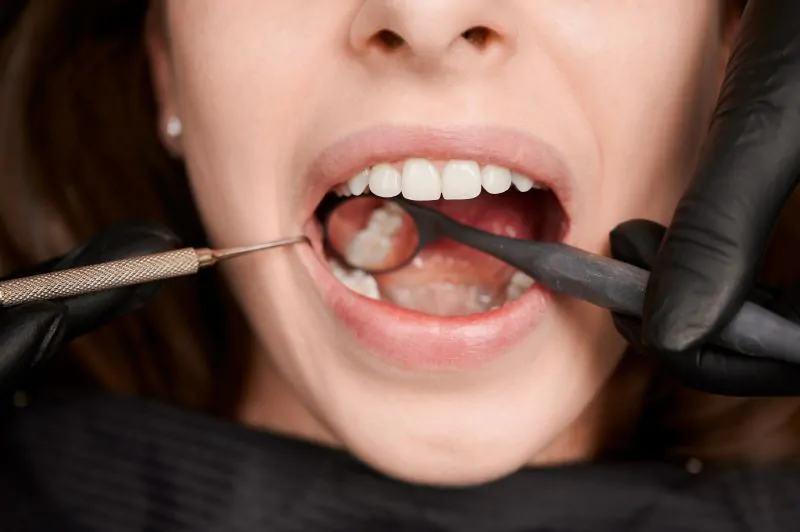
The process begins with a detailed check-up. The dentist examines the tooth and surrounding gums. We take digital X-rays to check the root health. At BSMC, we look for signs of hidden infection or decay. If the tooth has a large infection, we may recommend a root canal first. This ensures the foundation is stable.
Step 2: Tooth Preparation and Reshaping
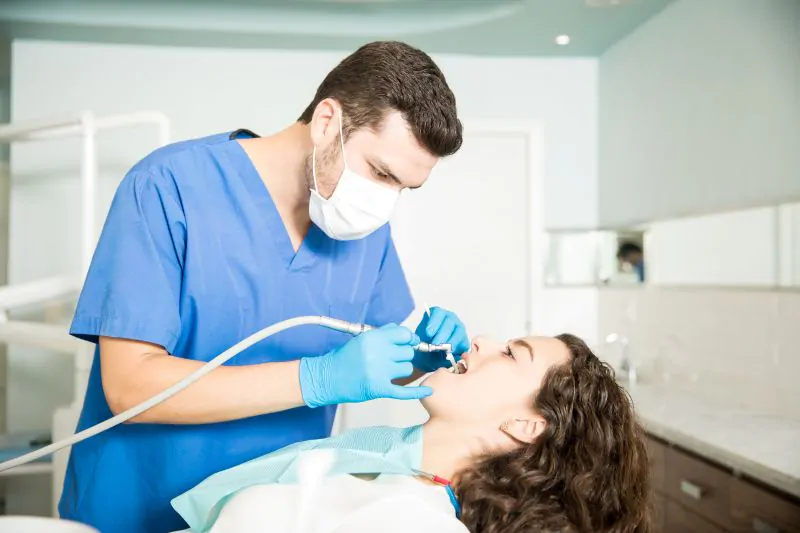
Your dentist will numb the area with local anesthesia. You should feel no pain during this step. The dentist then removes a small layer of enamel. This creates a specific shape for the crown to sit on. The goal is to keep as much natural tooth as possible. This follows the conservative dentistry approach we value at BSMC.
Step 3: Creating a Precise Impression
Once the tooth is shaped, we need a “map” of your mouth. We take a precise impression of the prepared tooth. We also record your bite alignment. Many modern clinics now use digital intraoral scanners. These scanners create a 3D digital model. This is much more comfortable than traditional messy putty. It also results in a much more accurate crown fit.
Step 4: The Temporary Crown Placement
The permanent crown is crafted in a dental laboratory. This usually takes a few days. During this time, we place a temporary crown. This temporary cap protects the sensitive inner tooth. It also keeps your smile looking normal. You should avoid very sticky foods during this phase. The temporary crown is held with light cement for easy removal later.
Step 5: Laboratory Fabrication
Our skilled technicians use the impression to build your crown. We use high-grade materials like Zirconia or E-Max porcelain. Zirconia is incredibly strong. It is perfect for back teeth that do heavy chewing. E-Max is highly translucent. It mimics natural enamel perfectly, making it ideal for front teeth. We match the shade to your existing teeth for a seamless look.
Step 6: Permanent Fitting and Final Bonding
You return for your final appointment. The dentist removes the temporary crown. We try on the permanent one to check the fit and color. We check how it touches the surrounding teeth. We also check your bite carefully. Once you are happy, we bond it with permanent dental cement. Your tooth is now fully restored and ready for use.

The Importance of the “Ferrule Effect” in Modern Strategy
Why do some crowns last 20 years while others fail in 2? The answer often lies in the “Ferrule Effect.” Scientific research proves that a “ferrule” of 1.5mm to 2mm of natural tooth is vital. This ring of tooth structure acts like the metal band on a barrel. It prevents the tooth from fracturing when you bite down hard. At BSMC, our clinical strategy focuses on preserving this ferrule. We use surgical precision to ensure your crown has the strongest possible foundation.
Key Points for Crown Longevity
- Practice excellent oral hygiene daily.
- Floss around the crown to prevent gum disease.
- Avoid chewing ice or very hard candy.
- Wear a nightguard if you suffer from bruxism (teeth grinding).
- Attend professional cleanings every six months at BSMC.
Statistics and Market Trends
The dental restoration industry is moving toward metal-free solutions. Currently, ceramic and Zirconia materials dominate the market. These materials are biocompatible. They do not cause the “black line” at the gum margin often seen with old metal crowns. Industry reports suggest that Zirconia crowns now have the highest patient satisfaction rate. This is due to their combination of strength and beauty.
Frequently Asked Questions (FAQ)
1. Does the dental crown procedure hurt?
No, we use local anesthesia to numb the tooth. You might feel a slight pressure during the shaping process. Most patients report very little discomfort afterward.
2. How long should I stay in Bali for a crown?
We recommend a stay of 5 to 7 days. This gives the lab time to craft your crown perfectly. It also allows for a follow-up check if needed.
3. Can a crown get a cavity?
The crown itself cannot decay. However, the natural tooth underneath can still get a cavity. This is why brushing and flossing are still essential.
4. Is Zirconia better than Porcelain?
Zirconia is much stronger and harder to crack. Porcelain is often used for its superior aesthetics. At BSMC, we often use a Zirconia base with a porcelain layer for the best of both worlds.
5. Why choose Bali Sudirman Medical Centre?
Bali Sudirman Medical Centre offers a combination of local hospitality and international medical expertise. We use the latest technology to ensure your safety and satisfaction.
Ready for a Consultation?
A healthy smile is just one appointment away. Don’t let tooth pain or damage hold you back. Bali Sudirman Medical Centre offers the care you deserve at prices you can afford.
Explore our full range of dental services here: BSMC Dental Services Page. Book your clinical evaluation today through our reservation portal: BSMC Online Reservation.
Our team is ready to help you achieve the perfect smile in paradise.