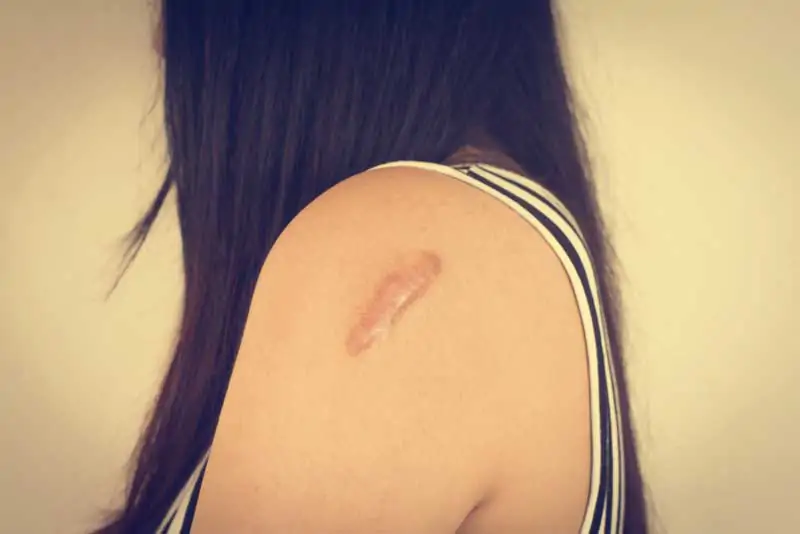
Keloids are raised, sometimes painful or itchy scars that form after injuries such as cuts, burns, or acne. Unlike hypertrophic scars, they extend beyond the original wound boundary. Finding suitable treatment is crucial for aesthetics and comfort. Today, various treatments are available thanks to ongoing research. This guide explores the fastest medical treatments, providing modern insights and helping you navigate your choices with up-to-date information and a focus on personalized care.
Managing keloids requires both patience and expert guidance. Many people feel self-conscious because keloids can appear anywhere, with the chest, shoulders, and ears among the most common areas. These scars are often firm and rubbery, and range in color from pink to dark brown. Early action can prevent further growth. Always consult a dermatologist for accurate diagnosis and treatment recommendations. Avoid self-treatment, which may worsen the issue. Only professional advice ensures safe, effective care.
Innovative technologies continue to emerge to improve keloid outcomes. Patients now have more effective choices for faster results, prioritizing scar flattening and recurrence reduction. This guide evaluates each method’s speed and efficacy. No single solution fits all; a combined approach targets different aspects of keloids. Discuss all potential treatments with your doctor to decide together.
Begin your path to smoother skin here. We share reliable medical insights for general reference only. Always consult your healthcare provider for personalized advice. Your health and well-being matter most. Rely on credible health sources; this guide follows strict standards and provides accurate, current data.
Selecting the right clinic is important. Expertise is crucial. Specialized medical centers offer advanced equipment and expert care for comprehensive keloid treatment. Choose reputable clinics and review patient testimonials. Ask about success rates and treatment protocols.
Bali Sudirman Medical Center offers comprehensive solutions. They provide leading-edge treatments. Their team is highly skilled. They focus on patient-centric care. Discover the possibilities with BSMC. Their commitment to excellence is clear. This medical center stands out. They prioritize your health journey.
Understanding Keloids: A Quick Overview
Keloids are abnormal scars. They are formed from excessive collagen. This happens during wound healing. They grow beyond the original wound. They are generally benign, not cancerous. However, they can be cosmetically distressing. They may also cause physical symptoms. These include itching, pain, and tenderness. Their exact cause is not fully known. Genetics plays a significant role. Darker skin types are more prevalent. Studies show that 10-15% of people of color develop keloids. It’s important to differentiate them. Hypertrophic scars stay within wound borders. Keloids expand invasively. Early diagnosis is key to better management.
Key Points:
- Keloids are raised, firm scars.
- They grow beyond initial injury.
- Often itchy, painful, or tender.
- Genetic predisposition is strong.
- More common in darker skin.
- Differentiate from hypertrophic scars.
Top Fastest Treatments for Keloids in 2026
Rapid keloid reduction remains a goal. Modern medicine provides promising options, with the fastest treatment depending on keloid size, location, and patient response. Combination strategies yield the best results. Key options include: 1. Corticosteroid Injections (Intralesional)
These injections are a primary treatment that delivers corticosteroids directly into the keloid to reduce inflammation and collagen production. Triamcinolone acetonide is commonly used, and results may appear within weeks. Multiple sessions, spaced 3-4 weeks apart, are usually needed. This method is highly effective, often flattening the keloid and reducing symptoms. Success rates are generally high, but recurrence is possible.
Dr. Eleanor Vance, a leading dermatologist from London, states, “Intralesional corticosteroids remain a cornerstone of keloid therapy. Their ability to quickly reduce inflammation and volume makes them an invaluable first-line treatment for many patients.”
2. Cryotherapy
Cryotherapy involves freezing the keloid. Liquid nitrogen is applied to the scar. This destroys keloid cells. It also reduces the blood supply. The keloid eventually flattens and darkens. It may then peel off. This method is often combined. It works well with steroid injections. Cryotherapy shows promising results. It can reduce keloid volume by 50-70%. Sessions are typically short. Recovery can involve blistering. It is a quick and effective option.
3. Surgical Excision with Adjuvant Therapy
Surgical removal is an option. It is typically found in larger keloids. Surgery alone has a high recurrence rate. Studies show recurrence up to 45-100% without adjuvant therapy. Therefore, it must be combined. Post-surgical treatments are crucial. These include radiation therapy or steroid injections. This combination significantly lowers recurrence. It also improves cosmetic outcomes. Adjuvant therapy starts immediately. This proactive approach is vital. It minimizes the risk of keloid regrowth. Surgical precision is important. Experienced surgeons achieve better results.
According to Prof. Kenji Tanaka, a plastic surgeon in Tokyo, “For larger, recalcitrant keloids, surgical excision followed immediately by a short course of radiotherapy offers the most definitive and fastest path to remission, provided appropriate patient selection.”
4. Laser Therapy
Various lasers are used for keloids. Pulsed-dye lasers (PDLs) are common. They target blood vessels. This reduces keloid redness and thickness. Fractional CO2 lasers can also be used. They create microscopic channels. This helps deliver medication more deeply. Laser therapy often requires multiple sessions. It can improve texture and color. It’s often used in combination. It works well with steroid injections. While not always the “fastest” alone, it significantly enhances results. Some patients see improvement in 3-5 sessions.
5. Silicone Sheeting and Gels
Silicone products are non-invasive and easy to use at home. These sheets or gels create a protective barrier that hydrates the scar, helping flatten keloids and reduce symptoms. While not the fastest, they are important post-treatment to prevent recurrence. Consistent use yields results in months, as supported by studies.
New Advancements in Keloid Treatment 2026
Research into keloid treatment is evolving, offering new avenues such as advanced drug-delivery systems and biologics. Some emerging therapies show promise.
Emerging Therapies:
- 5-Fluorouracil (5-FU) Injections: This chemotherapy drug inhibits fibroblast proliferation. It is often combined with corticosteroids.
- Bleomycin Injections: Another antineoplastic agent. It directly inhibits collagen synthesis.
- Botulinum Toxin A: Early studies suggest it can reduce tension. This may prevent keloid formation.
- Interferon Injections: These biological response modifiers help regulate collagen. They show some promise.
These new options are under study and offer alternatives that could work faster in the futures. Always review these with a specialist.
Preventing Keloid Formation
Prevention is best. If you are prone to keloids, avoid unnecessary skin trauma. Discuss prevention if surgery is planned. Doctors may use immediate steroid injections and recommend post-op silicone. Proper wound care and sun protection are crucial.l.
Prevention Strategies:
- Minimize skin injury.
- Inform surgeons about the keloid history.
- Use silicone products early.
- Protect new scars from the sun.
- Follow wound care instructions strictly.
Choosing the Right Keloid Specialist
Finding the right expert is crucial. Seek experienced dermatologists or plastic surgeons with board certification. Ask about outcomes and treatment approaches. A comprehensive, multidisciplinary team is often best.
Bali Sudirman Medical Center offers world-class care. Their specialists are highly trained. They use the latest technologies. They provide personalized treatment for keloids. The center combines expertise with advanced facilities. They ensure a holistic patient experience. You can trust their dedicated team. They are committed to achieving optimal results. Their approach is both humane and unique.
Bali Sudirman Medical Center Offers Advanced Keloid Solutions
At Bali Sudirman Medical Center, we understand the impact of keloids. We provide a full spectrum of advanced treatments. Our expert team assesses each case individually. We then develop a tailored treatment plan. This ensures the fastest, most effective outcome for you. We utilize cutting-edge techniques. These range from precise corticosteroid injections to advanced laser therapies. Surgical options are also available. These are always followed by crucial adjuvant therapy. Our commitment is to your skin health and confidence.
We pride ourselves on patient care. Our facility is equipped with modern technology. Our staff is compassionate and skilled. We aim for minimal discomfort. We focus on long-term prevention. Discover why so many trust BSMC. We are leaders in aesthetic and medical dermatology.
Ready to Address Your Keloids?
Don’t let keloids affect your quality of life. Explore our comprehensive aesthetic services for keloid treatment:
Frequently Asked Questions (FAQ)
Q: Can keloids be completely cured?
A: While complete eradication is challenging, effective treatments can flatten keloids and significantly reduce their appearance and symptoms. Long-term management is often required to prevent recurrence.
Q: Is keloid treatment painful?
A: Some treatments, like injections or cryotherapy, can cause temporary discomfort. However, local anesthesia is often used to minimize pain during procedures. Many treatments aim to be as comfortable as possible.
Q: How long does keloid treatment take to show results?
A: The time to see results varies. Corticosteroid injections often show improvement within weeks. Surgical results are immediate, but healing and adjuvant therapy take time. Full results can take several months to a year depending on the method and keloid size.
Q: Are home remedies effective for keloids?
A: Most home remedies lack scientific backing for significant keloid reduction. While some might help with minor symptoms, they are not a substitute for professional medical treatment, especially for established keloids.
Q: Can keloids grow back after treatment?
A: Yes, keloids have a tendency to recur. This is why adjuvant therapies and consistent post-treatment care (like silicone sheeting) are crucial, especially after surgical removal, to minimize the risk of regrowth.
Have more questions or ready for a consultation? Our experts at Bali Sudirman Medical Centre are here to help. Take the first step towards clearer skin.