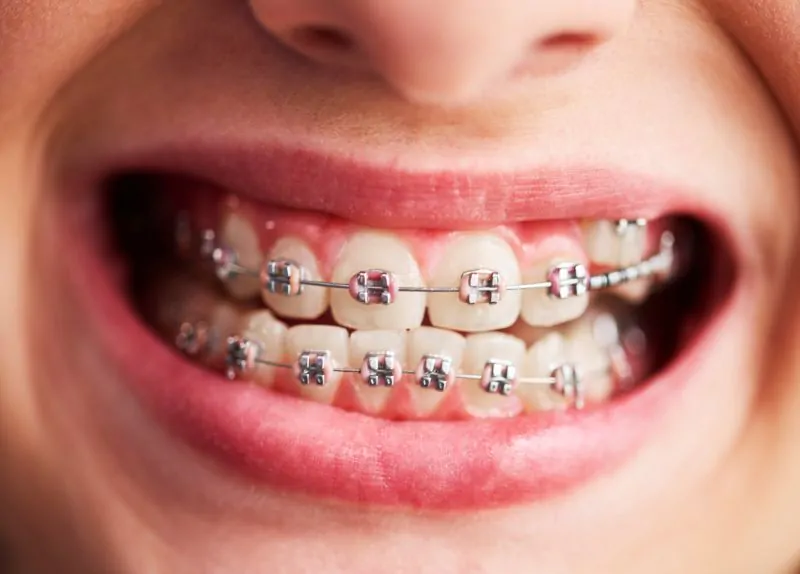
Braces treatment remains one of the most effective ways to correct misaligned teeth and achieve a confident smile. Patients today have access to a variety of modern orthodontic options.
Modern orthodontics goes far beyond mere aesthetics. Properly aligned teeth can improve bite function and make teeth easier to clean when combined with good oral hygiene.
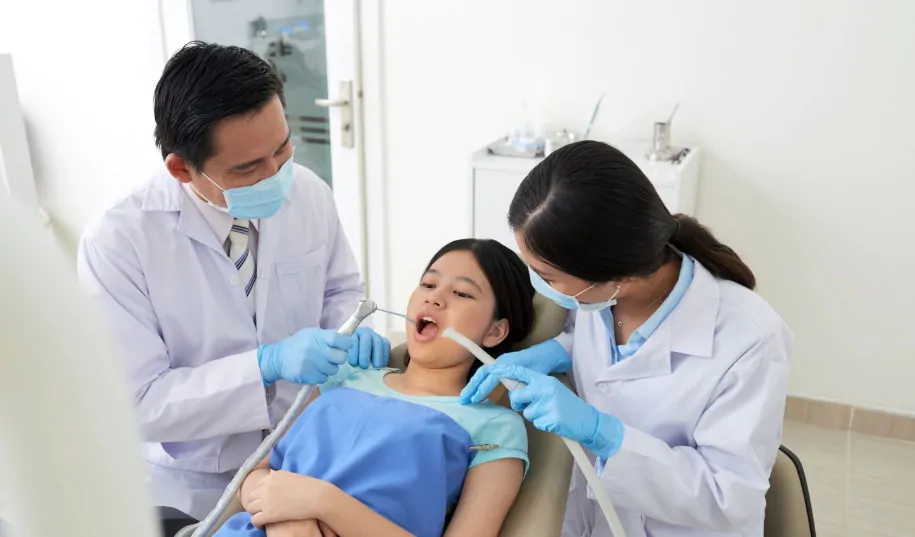
Choosing the right orthodontic path requires professional guidance. Clinical evaluations help determine the most suitable approach for individual needs and long-term oral health.
For international patients seeking structured care abroad, dental treatment braces in Bali offer accessible options. Many patients plan their orthodontic journey carefully alongside their travel schedules.
Specifically for Australians in Bali, pursuing orthodontic care requires careful coordination. Because treatments involve periodic adjustments over several months, patients benefit from clear follow-up plans and licensed practitioner oversight.
To ensure proper clinical guidance and individualized patient care, Bali Sudirman Medical Centre offers orthodontic consultations and clear-aligner treatment at its Denpasar dental clinic; suitability for other orthodontic appliances should be confirmed during consultation.
Overview Dental Braces
Orthodontic care has evolved significantly over the years. Traditional metal wires are no longer the only choice available for patients seeking alignment corrections.
In the United States, approximately 4 million people wear braces at any given time, according to the American Association of Orthodontists. Adult orthodontic treatment has also become increasingly common.
- Supports improved bite mechanics and function.
- Helps make teeth easier to clean when proper oral hygiene is maintained.
- May support a more balanced smile and greater personal confidence.
What Is Dental Braces?
Orthodontic treatment applies continuous, gentle pressure on teeth. This pressure gradually guides teeth into a healthier, more functional position determined by the orthodontist.
As teeth move, the surrounding alveolar bone adapts through a controlled remodeling process.
Note: Professional clinical assessment is always necessary to evaluate bone health and individual suitability before starting any orthodontic appliance.
Types of Orthodontic Braces
Selecting the right hardware depends on lifestyle, budget, and clinical requirements. Here are the primary categories available today.
1. Traditional Metal Braces
These use high-grade stainless steel brackets and archwires. They remain a reliable option for various types of malocclusion and bite corrections.
2. Ceramic Braces
Ceramic brackets match natural tooth color. They offer a more discreet appearance while maintaining the mechanical principles of traditional braces.
3. Lingual Braces
Placed behind the teeth, lingual braces remain hidden from view. They require specialized training and skill to install and manage effectively.
4. Clear Aligners
Clear aligners may be suitable for selected mild to moderate cases, depending on a professional orthodontic assessment.
How to Choose Orthodontic Treatment
Choosing the correct appliance involves balancing several personal and clinical factors. A thorough initial consultation is essential.
- Assess the complexity of your bite alignment with a qualified orthodontist.
- Consider your daily routine, profession, and commitment to oral hygiene.
- Evaluate expected treatment timelines and ongoing follow-up requirements.
Planning Orthodontic Treatment in Bali: What International Patients Should Know
Managing orthodontic care internationally requires a reliable local provider. Patients must account for regular tightening and adjustment sessions.
Bali Sudirman Medical Centre provides structured orthodontic evaluations and clear-aligner treatments at their Denpasar facility.
Consulting with experienced local practitioners ensures that your treatment plan aligns with your travel duration and long-term oral health goals.
Frequently Asked Questions (FAQ)
How long does orthodontic treatment usually take?
Treatment duration varies significantly based on individual clinical needs. Cases can range from 8 to 12 months for minor adjustments to over two years for complex alignment cases.
Are braces painful?
Patients often experience mild discomfort or soreness following initial placement and routine adjustments. This sensation typically subsides within a few days.
Can adults get braces?
Yes, healthy teeth can undergo orthodontic movement at any adult age, provided the gums and supporting bone structures are healthy. Adult treatments may sometimes require longer timelines.
Considering Orthodontic Treatment? Start With a Professional Consultation.
Are you ready to explore your orthodontic options with professional guidance? Take the first step toward your dental health goals today.
For more details on available procedures, visit the BSMC Dental Service Page.
Ready to schedule your visit? Secure your appointment through the BSMC Reservation Page to arrange your consultation at our Denpasar clinic.