| Ask around at any Aussie barbecue and someone will have a Bali dentist story. A mate who came home with new veneers. An aunt who finally sorted the crown she had been putting off for five years. Dental work in Bali has gone from a niche idea to something plenty of Australians plan their holiday around. The appeal is easy to understand. Treatment here usually costs a fraction of what it does back home, and Bali is only a short flight away. But a good result depends on more than price. You need to know how long each treatment takes, how to check a clinic properly, and what happens once you are back home. This guide covers all of it. We are a dental and aesthetic clinic in central Denpasar that has treated international patients since 2017, so we will explain how it works from our side of the chair, including the parts that make some Australian dentists nervous. Why Australians choose Bali for dental work Most of our Australian patients give us the same three reasons. First, cost. Second, Bali is close: Perth is under four hours away and the east coast capitals are around six to seven hours. Third, they were coming anyway. The Jakarta Post reported in 2024 that dental tourists in Bali care most about three things: clear information, quality of service and price. Many of them hear about a clinic from a friend first, then check online. That matches what we see. A lot of our patients arrive with a screenshot of a friend’s new smile and a list of questions. There is also the waiting. Many Australians tell us they put off treatment at home for years. Putting it off usually makes the eventual job bigger. A cracked filling becomes a root canal, and a root canal becomes a crown. Getting it done on holiday is often the push people needed. What does dental work in Bali cost? Every mouth is different, so we do not quote a price until your dentist has seen your teeth and X-rays. What we can tell you is what affects the final figure: The treatment and the number of teeth. One crown and eight veneers are very different jobs. Materials. Zirconia, porcelain and composite are priced differently, and so are implant brands. Preparation work. Old fillings, decay or gum problems need to be treated first. Extras. X-rays, temporary teeth, bone grafts and review visits. Before any work starts, you get a written, itemised plan that lists every one of these. If a quote from any clinic looks surprisingly low, check what it leaves out. For treatment-specific guides, see veneers in Bali and dental implants in Bali, or browse all our dental treatments. How many days do you need in Bali? This is the question that decides most trips. Some treatments fit into a single afternoon. Others need a lab and a few days of waiting. Implants need two trips because the bone has to heal around the implant before the final tooth goes on. Is dental work in Bali safe? It can be, and for most of our patients it is. But “Bali” is not one clinic. Standards vary from place to place, just as they do between suburbs in Sydney. The real question is whether the specific clinic and dentist you choose are safe. Some Australian dentists warn against dental tourism, and they raise fair points. If a veneer needs adjusting after the bite settles, you cannot pop back in next Tuesday. We would rather you hear that from us than discover it later. What reduces the risk: A registered dentist. In Indonesia, dentists carry the title “drg.” and should be members of PDGI, the Indonesian Dental Association. All BSMC dentists are. Named materials. You should know the implant brand and crown material before treatment. We use Straumann and Osstem implants and list the details in your plan. A written, itemised plan. Teeth, materials, timeline and price, all in writing. Sterilisation you can see. Ask how instruments are cleaned and packed. A good clinic will happily show you. Real reviews. BSMC holds a 4.83 rating from more than 1,100 patient reviews on Dental Departures, many from Australians. A plan for after you leave. Ask what happens if you have a question once you are home. Our patients can message us on WhatsApp. We put together a longer checklist here: 9 questions to ask before you book a dentist in Bali. Planning your trip around treatment Send your photos or X-ray before you book flights Most planning can happen on WhatsApp. Send us clear photos of your teeth, and a recent OPG (full mouth X-ray) if you have one. Your dentist can then give you a rough plan and a realistic number of days. Book your flights after that, not before. Your first visit in Bali starts with a dental consultation to confirm everything. Put treatment early, holiday late Schedule your dental appointments in the first half of your stay. That leaves room for adjustments and means you finish the trip with the work done, rather than thinking about it at the pool. Where to stay BSMC is on Jl. PB Sudirman in central Denpasar, about 20 to 40 minutes from Ngurah Rai Airport depending on traffic. Many patients stay in Sanur, Renon or Kuta and take a Grab or Gojek to their appointments. If you have several visits, staying closer saves time in Bali traffic, especially in the late afternoon. Mix treatment with rest Whitening, a clean or a crown preparation will not stop you enjoying the day. After implant surgery or extractions, plan a quiet evening. Skip the cocktails and the surf session that night. Your dentist will give you instructions for your treatment. Check your insurance Most travel insurance policies do not cover elective dental work. Some Australian private health funds may reimburse part of overseas treatment, but many do not. Check with your fund before you go, and ask us for itemised receipts either way. Aftercare once you are back home Good aftercare starts before you leave Bali. Before your last visit, ask for: copies of your X-rays and treatment notes the materials and implant brand used written care instructions for your treatment the date for any follow-up or second-stage visit Share those records with your regular dentist in Australia so they know exactly what was done. If anything feels wrong once you are home, message us first. Often a photo is enough for your dentist to tell you whether it needs attention. Read more in our guide to flying home after treatment. Dental and skin treatments in one place BSMC is a dental and aesthetic clinic. Plenty of patients use the lab days between veneer appointments for a facial or skin treatment in the same building, with the same team handling bookings. If that appeals, ask us for a combined plan when you get in touch. Frequently asked questions Is it cheaper to get dental work done in Bali? For most treatments, yes, often by a wide margin. Larger treatments such as veneers, crowns and implants show the biggest difference. For a single small filling, flights and accommodation usually make the trip not worth it on its own. Do dentists in Bali speak English? At clinics that treat international patients, yes. All BSMC dentists and front desk staff speak English, and your treatment plan and consent forms are in English. How far ahead should I book? Two to four weeks ahead works for most treatments. During Australian school holidays, especially December, January and July, book earlier so you get the appointment times you want. Can I swim after dental treatment? After a clean, whitening or fillings, yes. After implant surgery or extractions, wait until your dentist says the area has started healing, usually a few days. What if something goes wrong after I fly home? Message us on WhatsApp with photos. Your dentist will tell you whether it can wait for your next visit, whether a local dentist should look at it, or whether you need to come back. Get a written plan before you book The easiest first step costs nothing. Send us a photo of your smile or a recent X-ray, tell us when you are coming to Bali, and we will reply with a draft plan, the number of days you need and a written quote. Message BSMC on WhatsApp or book a consultation online. Bali Sudirman Medical Centre, Jl. PB Sudirman No. 2B, Dauh Puri Klod, Denpasar 80114. Open 10am to 8pm. |
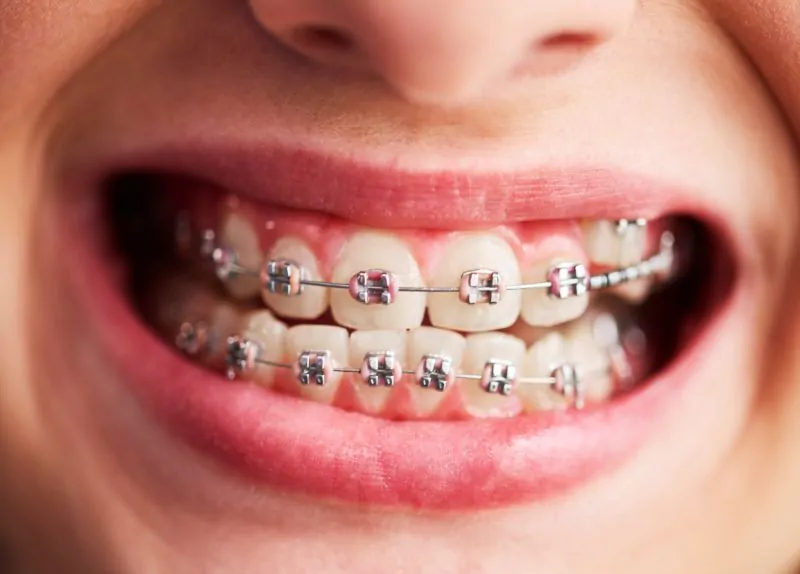
Dental Treatment Braces Types and How to Choose the Right Treatment
Braces treatment remains one of the most effective ways to correct misaligned teeth and achieve a confident smile. Patients today