Scarring is a natural healing process. Yet, keloids often exceed normal boundaries. Many patients want to get rid of Keloids.
Finding a permanent solution can be challenging, but advanced medical technology provides new hope. Bali Sudirman Medical Centre offers modern care, guiding patients through each step of their treatment for keloids.
Understanding the Nature of Keloids
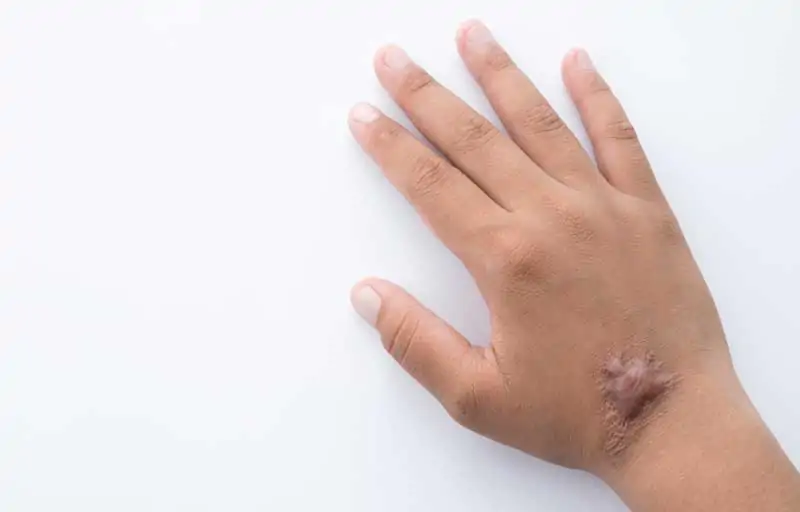
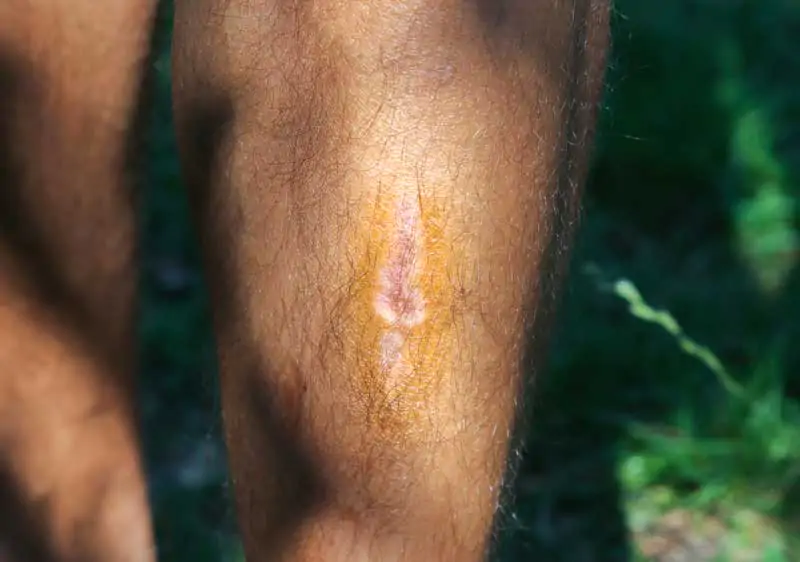
A keloid is an overgrown scar. It rises above the skin surface. It often feels firm and rubbery. These scars grow beyond the original wound. They do not regress on their own. This makes them different from normal scars.
Keloids can appear after minor injuries. Examples include ear piercings or insect bites. Sometimes, they form after surgical procedures. They can even occur after acne breakouts. The growth is often itchy or painful. It can also limit your movement.
The Science of Keloid Formation
Our skin uses collagen to heal. Collagen is a vital protein. During keloid formation, the body loses control. It produces too much collagen. This excess protein builds up. It creates a thick, raised mass.
Scientists are still studying this process. They believe fibroblasts play a key role. Fibroblasts are cells that make connective tissue. In keloids, these cells are overactive. They stay active long after healing. This leads to continuous scar growth.
Important Statistics on Keloid Scars
Keloids are more common than people think. Understanding the numbers helps set expectations. Here are some key statistics regarding keloid prevalence:
- Keloids affect roughly 10% to 15% of all people.
- They are most common in people with darker skin.
- Individuals of African or Asian descent face higher risks.
- The peak age for keloid formation is 10 to 30 years.
- About 50% of keloid patients have a family history of keloids.
- Recurrence rates for simple surgery reach nearly 100%.
After reviewing prevalence, you might wonder about the possibility of complete removal.
This is a very common question. Patients often wish for lasting solutions. The honest answer requires careful consideration. Outcomes depend on the treatment method and your individual skin type.
Modern medicine can greatly help reduce the formation of keloids. Treatments can make them flatter and less noticeable. While total “erasure” is rare, successful management is often possible. Our aim is to support your journey and prevent the scar from returning.
“Keloids are a chronic skin condition. We do not just treat a scar. We treat a biological tendency. Successful outcomes require multi-modal therapy approaches.”
— Dr. Michael Tirgan, Keloid Specialist and Researcher (New York, USA).
Effective Treatment Options for Keloids
No single treatment works for everyone. Doctors often combine different methods, increasing success rates. Building on the previous section, here are the primary options available today.
1. Corticosteroid Injections
This is often the first step. Doctors inject steroids into the scar. These steroids reduce inflammation. They also slow down collagen production. Most patients need several sessions. The injections help flatten the keloid. They also reduce itching and pain.
2. Laser Therapy
Lasers are very effective tools. Pulsed-dye lasers work well. They target the blood vessels in scars. This starves the keloid of nutrients. The scar then becomes softer and flatter. Lasers also help improve skin texture. They reduce the scar’s redness.
3. Cryotherapy
Cryotherapy involves freezing the keloid. Doctors use liquid nitrogen for this. The cold temperatures destroy the scar tissue. This works best for small keloids. Combining cryotherapy with injections is common. This approach yields very high success rates.
4. Surgical Removal
Surgery is a risky option. Cutting a keloid can trigger more growth. The body views surgery as a new wound. This often leads to a larger keloid. Surgeons must use extreme caution. They usually combine surgery with other treatments. This might include radiation or injections.
5. Silicone Sheets and Gels
These are non-invasive options. You can use them at home. Silicone sheets provide constant pressure. They also keep the scar hydrated. This helps prevent further growth. However, they require long-term consistency. You must wear them for many hours daily.
Why Some Keloids Return
Recurrence can be challenging for many patients. Some keloids are persistent and may require ongoing care. The body’s healing response can remain active, producing extra collagen. Genetic factors also play a role in healing.
The location of the keloid also matters. Keloids on the chest may recur due to skin tension, which can be discouraging. Each breath pulls on the scar, signaling the body to heal. Support and guidance can help manage this ongoing cycle.
“The key to keloid management is early intervention. Once a scar begins to thicken, act fast. Delaying treatment only makes the condition harder to manage.”
— Dr. Anthony Rossi, Dermatologic Surgeon at MSKCC.
The Psychological Impact of Keloids
Keloids may affect both skin and emotions. Many people feel self-conscious at times. Some might choose different clothing or avoid certain activities. This can lead to feelings of social anxiety and reduced confidence, but support is available.
Treating the physical scar is vital, but your overall well-being is just as important. Doctors should offer empathetic care and listen to patients’ feelings. Experience shows that confidence builds as scars fade and support grows stronger.
Common Mistakes in Keloid Care
Many people try home remedies, such as oils or creams, in the hope of relief. These rarely work for true keloids, and some may cause irritation. It is best to avoid aggressive treatments and seek gentle methods for care.
Another mistake is stopping treatment early. Improvements may appear, but consistency is essential for results. Stick closely to your doctor’s plan for the best outcome and support throughout your care.
Advanced Solutions at Bali Sudirman Medical Centre
Personalized care is the gold standard. Bali Sudirman Medical Centre offers specialized aesthetic services. Our team understands keloid biology. We use advanced tools for treatment. We focus on long-term results.
We assess each patient individually. We look at the scar’s history. We check the patient’s skin type. Then, we create a custom plan. This might include state-of-the-art laser work. It might include precise steroid therapy. Our goal is your satisfaction.
You can view our full range of treatments here: BSMC Aesthetic Services.
Keloid Prevention Tips
Prevention is always better than a cure. If you are prone to keloids, be careful. Avoid unnecessary skin piercings or tattoos. If you have surgery, tell your surgeon. They can take special precautions. This might include using pressure dressings.
Always treat acne promptly. Severe acne often leads to keloids. Use sunscreen on healing wounds. UV rays can darken scar tissue. This makes the keloid more visible. Keeping the skin healthy is vital.
Frequently Asked Questions (FAQ)
After covering treatments and prevention, here are answers to questions patients commonly ask about keloids.
No, keloids are benign growths. They do not turn into cancer. They are purely a skin issue. However, they can be quite uncomfortable.
Do keloid injections hurt?
The injections involve a small needle. You will feel a quick sting. Most patients tolerate the pain well. Doctors can use numbing cream if needed.
How many sessions will I need?
This varies for every patient. Small keloids may need 3 sessions. Larger ones may need much more. Sessions are usually spaced 4 weeks apart.
Can I get a tattoo over a keloid?
This is generally not recommended. A tattoo is a new injury. It will likely cause the keloid to grow. It could also create new keloids.
Are keloids hereditary?
Yes, there is a genetic link. If your parents have them, you might too. Be extra cautious with skin injuries.
Take Control of Your Skin Today
Keloids do not have to define you. You can take gentle steps to improve them. Professional medical help is always within reach. Begin your journey toward smoother skin with support and encouragement.
Are you hoping for confidence and support in your scar journey? Our compassionate experts are ready to assist you. Bali Sudirman Medical Centre provides expert, caring guidance. Don’t let keloids limit your life, help is always available.
Book your consultation today and find the right solution for your skin. Use our easy online system for your visit.