Is skin peeling good for acne? This question is common for people dealing with persistent breakouts. These face treatment sessions are among the most commonly used options in modern acne management.
For Australians in Bali, high-quality clinical care can be both accessible and convenient. Bali Sudirman Medical Center offers advanced aesthetic solutions that align with international medical standards.
Professional chemical exfoliation can help reduce follicular blockage and improve inflammatory acne lesions over time. Many patients also seek these treatments to improve skin texture and reduce post-inflammatory hyperpigmentation.
Understanding the Science: How Peels Address Acne
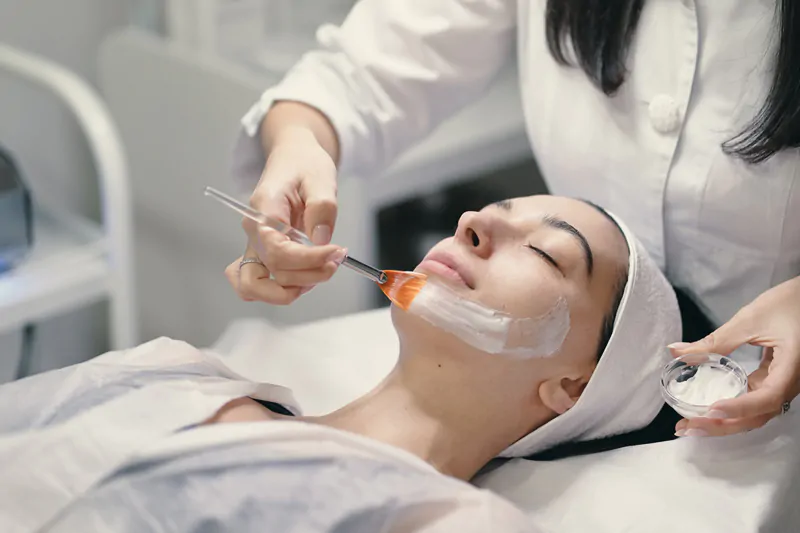
Chemical peeling is a controlled method of skin resurfacing. It involves applying a specific acidic solution to the face. This solution works by loosening the bonds between dead skin cells. In acne-prone skin, these cells can shed poorly, contributing to clogged pores and breakouts. By removing the outer layer, peels help the skin renew itself more efficiently.
This process is not just about exfoliation. It can also help reduce overall follicular blockage. When pores stay clearer, the likelihood of new acne forming may decrease. Research suggests that chemical peels can be an effective part of acne care for selected patients. They often work best when combined with a proper home skincare routine and other treatments recommended by a clinician.
The depth of a peel is a critical factor for success. Superficial peels are the most common choice for active acne. They target the outermost layer, called the epidermis, and usually require minimal downtime. Medium-depth peels are reserved for more significant textural concerns or scarring. A doctor should assess your skin to choose the right depth.
The Role of Salicylic Acid in Acne Recovery
Peeling treatment often features Beta Hydroxy Acids (BHAs), such as Salicylic Acid. This ingredient is especially useful for oily and congested skin. Unlike Alpha Hydroxy Acids, Salicylic Acid is oil-soluble. This allows it to penetrate sebum-filled pores more effectively. Once inside, it helps break down debris that contributes to blackheads and whiteheads.
Clinical studies suggest that BHA peels can help reduce inflammation and improve acne appearance over time. They may also help calm redness associated with active breakouts. While not a cure-all, they can be a useful tool in acne management. Many dermatology practices use Salicylic Acid peels for both adolescent and adult acne. Regular sessions may lead to clearer, more balanced-looking skin.
- Salicylic Acid can penetrate oily follicles and help clear blockages.
- It has anti-inflammatory properties that may help soothe red skin.
- It can help improve the appearance of large, visible pores.
- BHA peels are generally well-tolerated when applied correctly.
A Growing Trend: For Australians in Bali
For Australians in Bali, the pursuit of healthy skin often leads to local clinics. Many travelers from Perth, Sydney, and Melbourne seek medical aesthetic treatments during their stay. The convenience of being close to home makes Bali an appealing location for some procedures. However, the priority for these patients is safety and professionalism. They often look for facilities that follow recognized medical standards.
Bali Sudirman Medical Center offers a bridge between tropical relaxation and clinical care. Our facility focuses on providing evidence-based treatments for international guests. We use clinically tested chemical solutions for every procedure. This approach supports reliable care while patients enjoy their holiday. Recovering in a calm environment can also enhance the medical experience.
“Superficial chemical peels can be a useful option for acne management when selected and performed appropriately.”
— Dermatology expert opinion
Is Skin Peeling Good for Acne Scars?
Many patients ask whether peels can help with the marks left by old breakouts. Is skin peeling good for acne scars specifically? The answer depends on the type of scarring present. For red or dark spots, known as post-inflammatory hyperpigmentation, peels may be helpful. They can speed up cell turnover, which may help pigment fade over time. This can result in a more even skin tone after several weeks.
For deeper, pitted scars, more intensive treatments are usually needed. Medium-depth peels using Trichloroacetic Acid (TCA) may help improve surface texture. TCA stimulates new collagen formation in the dermis. This may help soften the appearance of some acne scars. Realistic expectations are important for deeper scars, and a combination approach often gives the best outcome.
Safety and Modern Medical Consensus
Medical knowledge regarding skin peels continues to evolve. Earlier guidance was more cautious about procedures after Isotretinoin use. However, more recent consensus suggests that superficial chemical peels are generally safe for many patients who are using or have recently stopped isotretinoin, when performed appropriately. Even so, more aggressive procedures still require individual medical assessment.
Bali Sudirman Medical Center offers thorough screening for every new patient. We evaluate medical history and current medications before treatment. This is especially important for patients with darker skin tones, who may be more prone to temporary pigment changes. We use gentler acids and lower concentrations when appropriate. This helps support the safest possible results.
“Good preparation and proper technique are essential for a successful chemical peel.”
— Dermatology expert opinion
Essential Post-Peel Care for Best Results
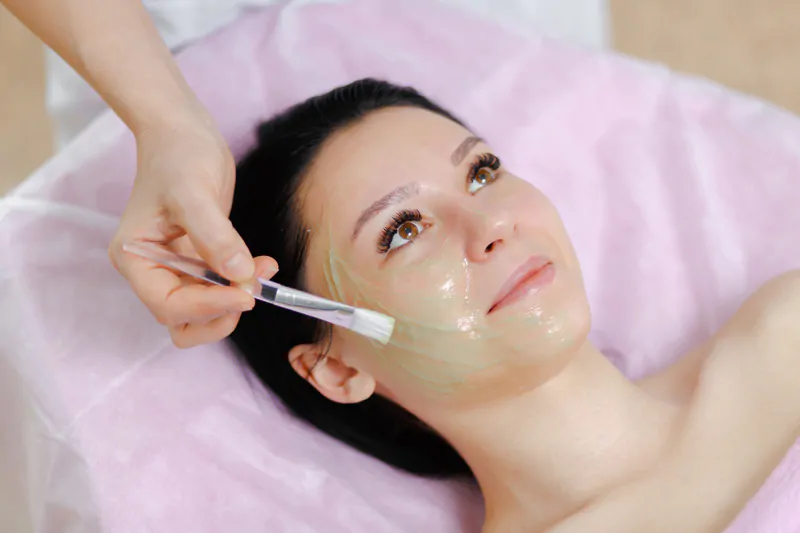
What you do after treatment is just as important as the procedure itself. Your skin may be more sensitive to environmental factors for several days. For Australians in Bali, protecting the skin from strong sun exposure is especially important. We recommend using a broad-spectrum physical sunscreen with SPF 50. Ingredients such as Zinc Oxide or Titanium Dioxide can provide effective UV protection.
You should also avoid harsh active ingredients for about one week. This includes retinoids, strong vitamin C serums, and abrasive physical scrubs. Keep the skin hydrated with a simple, fragrance-free moisturizer. If light flaking occurs, do not pick at the skin. Let it shed naturally to reduce irritation and support healing.
The Importance of Professional Medical Oversight
It can be tempting to try home peels or spa-grade treatments. However, medical-grade chemical peels are more potent and require proper training to use safely. A doctor can monitor the skin’s reaction in real time and adjust treatment if needed. They can also neutralize the acid when the desired depth has been reached.
Bali Sudirman Medical Center offers the security of a clinical environment. Our team is trained to handle different skin reactions with care. We use sterile equipment and follow strict hygiene protocols to reduce the risk of infection. Professional oversight can lower the risk of chemical burns or pigment problems. When it comes to your face, medical expertise is the safest choice.
Current Clinical Statistics
Recent dermatological reviews show that chemical peels remain a useful option for acne. Clinical data suggests that BHA peels may reduce acne lesions after a series of treatments. Patient satisfaction is often high in well-selected cases. The professional peel market continues to grow as more people choose clinical treatments. These trends reflect the ongoing trust in chemical exfoliation as part of acne care.
Frequently Asked Questions
Is skin peeling good for acne that is currently inflamed?
Yes, medical peels can help reduce inflammation and unclog pores. A doctor may choose a specific acid, such as Salicylic Acid, for this purpose. They will avoid more aggressive peels on highly irritated skin.
Will my skin actually peel off in sheets?
For most superficial peels, you may only experience light flaking or dryness. It often resembles a mild sunburn. Only deeper medical peels cause more noticeable skin shedding. Your doctor will explain what to expect before treatment.
How long should I stay out of the sun?
You should avoid direct, intense sun exposure for at least 7 to 10 days. This is important for reducing the risk of dark spots on newly treated skin. A wide-brimmed hat can also help when you are outdoors in Bali.
Can I get a peeling treatment if I have sensitive skin?
Yes, options such as Mandelic Acid or Lactic Acid may be considered for sensitive skin. These acids are often gentler and penetrate more slowly. This can reduce irritation while still offering exfoliation benefits.
How many sessions are usually needed for results?
Some patients notice a healthy glow after one session, but a series usually works better. Many acne protocols involve 3 to 5 sessions spaced about one month apart. This allows for gradual improvement in skin clarity and texture.
Start Your Journey to Clear Skin Today
Is skin peeling good for acne? For the right patient, it can be a helpful and reliable option. Our team at Bali Sudirman Medical Center is ready to provide professional care tailored to your needs. We understand the challenges of acne and are here to help you manage them with a clinical approach. Experience skin care that prioritizes health and safety.
Learn more about our specific procedures on our Aesthetic Service Page. We offer a variety of peels tailored to different skin concerns and types.
Are you ready to book your consultation? Visit our Reservation Page to secure your appointment. Our English-speaking staff is happy to assist you with any questions you may have.
Would you like a professional to create a custom plan for you? Book your clinical consultation at Bali Sudirman Medical Center today.