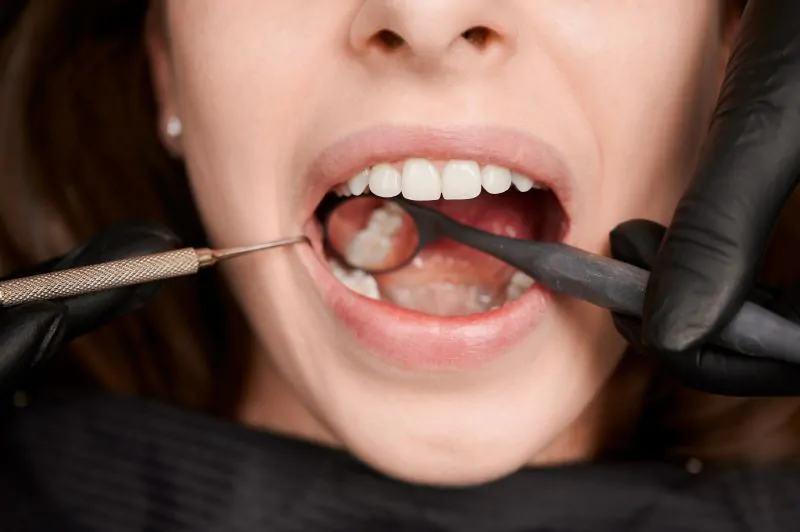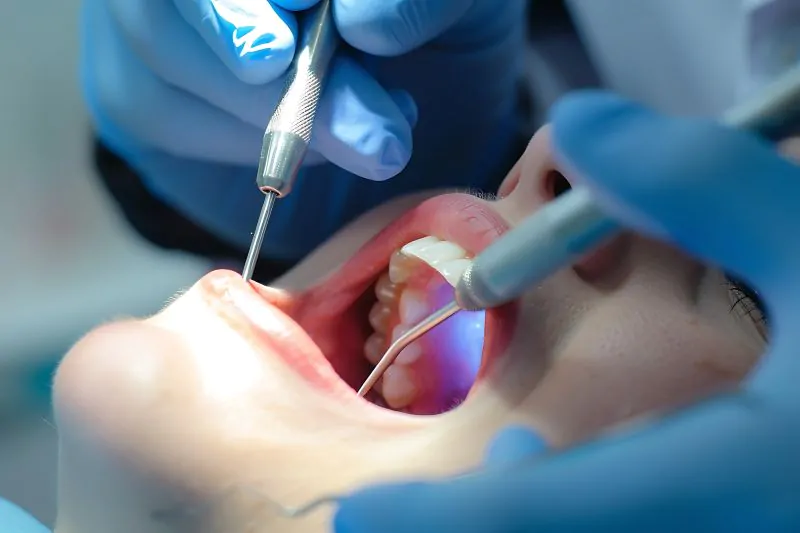
Root canal treatment helps save your natural teeth from deep infection. This professional service is highly beneficial for Australians in Bali seeking quality care.
Seeking immediate attention prevents bacteria from spreading deeper into the jawbone. Bali Sudirman Medical Centre offers advanced clinical solutions for those facing dental pain.
Overview of Root Canal Treatment
A root canal is a procedure to repair and save a badly damaged tooth. The term comes from cleaning the canals inside the tooth’s root.
Inside every tooth is a soft tissue called pulp. Pulp contains important nerves, blood vessels, and connective tissue.
When this pulp becomes infected, it requires professional removal. Many people fear this procedure due to old myths about pain.
Modern dentistry uses effective local anaesthesia to ensure patient comfort. The goal is to keep your natural tooth in place.
Keeping your natural teeth helps maintain your jawbone structure. It also allows you to chew normally and speak clearly.
Statistics from various dental health associations show that root canals are common. Millions of teeth are saved each year through endodontic therapy.
In Australia, the cost of a root canal varies significantly by state. Patients might pay between $1,500 and $3,500 for the procedure alone.
Adding a crown can increase the total cost even further. This is why many choose Bali Sudirman Medical Centre for their treatment. Bali provides a cost-effective alternative without compromising on the clinical standards.
Before Root Canal Treatment Guide
Preparation begins with a thorough consultation with a qualified dentist. Your dentist will take digital X-rays to see the root shape.
These images help detect any signs of infection in the bone. Be prepared to discuss your medical history in detail.
Mention any medications you are currently taking to the doctor. This includes vitamins, supplements, and blood thinners.
The dentist needs to know about any previous dental trauma. Proper planning leads to a much smoother clinical experience.
Clear communication is vital for patients travelling from overseas. BSMC staff are experienced in helping international patients. They provide detailed explanations of every step involved.
This transparency helps reduce anxiety before the procedure starts. You should feel empowered to ask about the expected outcomes. A well-informed patient is usually a more relaxed patient.
Do’s and Don’ts Before Root Canal Treatment
- Do: Eat a nutritious meal before your scheduled appointment time.
- Do: Ask about the specific materials used for the filling.
- Do: Inform the dentist about any allergies to latex or medicines.
- Do: Bring a list of questions regarding your recovery period.
- Don’t: Take aspirin unless your doctor specifically recommends it.
- Don’t: Consume alcohol at least 24 hours before your surgery.
- Don’t: Wait until the pain becomes unbearable to visit the clinic.
- Don’t: Stop regular medications unless directed by a medical professional.
Antibiotics are not always necessary before a root canal procedure. Doctors only prescribe them if a systemic infection is present.
They do not replace the need for the root canal itself. Always follow the exact dosage if a prescription is given.
“Modern endodontics focuses on cleaning the complex anatomy of the root system. Using advanced technology allows us to achieve predictable results for our patients.”
— Dr James Gutmann, Former President of the American Association of Endodontists.
Do’s and Don’ts After Treatment
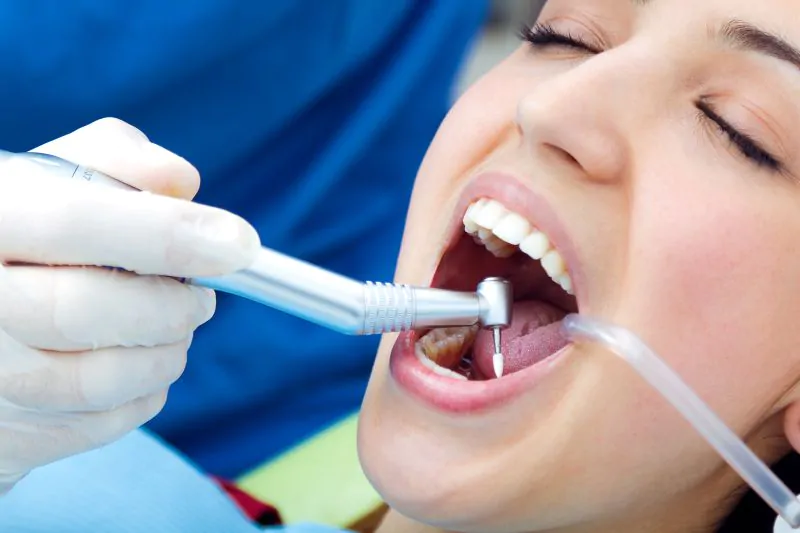
Recovery after a root canal is usually quite straightforward. Most patients return to their normal activities the next day.
However, you must protect the tooth until the final restoration. A temporary filling is often placed during the first visit.
This filling is not as strong as your natural enamel. Be mindful of what you eat during this healing phase.
- Do: Use a warm saltwater rinse to keep the area clean.
- Do: Take ibuprofen or paracetamol for any minor lingering soreness.
- Do: Continue to brush and floss your other teeth normally.
- Do: Contact the clinic if you notice any unusual swelling.
- Don’t: Chew on the side of the treated tooth immediately.
- Don’t: Eat sticky or very hard foods like ice or candy.
- Don’t: Ignore the need for a permanent crown or filling.
- Don’t: Poke the treated area with your tongue or fingers.
A tooth without pulp is more brittle than a healthy tooth. The crown acts as a helmet to protect the tooth structure.
Without this protection, the tooth might fracture under biting pressure. Successful long-term results depend on this final restorative step.
Benefits of Root Canal Treatment
The primary benefit is the total elimination of dental infection. Chronic infections can impact your overall heart and systemic health.
Saving your tooth prevents other teeth from shifting out of place. Shifting teeth can lead to bite problems and jaw pain.
It is also more cost-effective than getting a dental implant. Natural teeth provide a better sensory experience when eating food. Your smile remains aesthetically pleasing and natural in appearance.
Root Canal Treatment for Australians in Bali with Bali Sudirman Medical Centre
Choosing the right clinic is the most important decision you make. Bali Sudirman Medical Centre offers a patient-centred approach for everyone.
They utilise modern sterilisation equipment to ensure high safety levels. The clinic environment is designed to be calming and professional.
Many Australians find the staff very approachable and helpful. The facility is located conveniently near major tourist areas.
They provide detailed documentation for your personal health records. Private clinics in Bali often invest in the latest dental technology.
This includes digital imaging and rotary endodontic tools. These tools allow for faster and more precise cleaning processes.
For an Australian traveller, time is a very valuable resource. BSMC strives to complete treatments efficiently to save you time. You can enjoy your holiday while also improving your health.
Frequently Asked Questions (FAQ)
How long does the procedure take at BSMC?
Usually, a root canal takes about 60 to 90 minutes. Complex cases may require two separate clinical appointments.
Is the treatment painful during the process?
The procedure is performed under local anaesthesia to prevent pain. Most patients feel only minor pressure during the treatment.
Can I get a crown on the same trip?
Yes, crowns can often be prepared within a few days. This allows you to finish the treatment before flying home.
What is the success rate of this treatment?
Root canals have high success rates when performed correctly. Proper aftercare and a permanent crown are essential factors.
Will my insurance cover treatment in Bali?
Some Australian private health funds offer rebates for overseas care. Check with your specific provider before you start your travel.
Take Action for Your Oral Health
Don’t let dental pain ruin your time in paradise. Professional help is available for Australians in Bali right now.
Bali Sudirman Medical Centre offers the expertise you truly deserve. Explore all available options, including root canal treatment in Bali today.
Visit our service page for more information: https://balisudirmanmedical.com/aesthetic/
Book your clinical consultation here: https://balisudirmanmedical.com/reservation/
Are you experiencing persistent tooth sensitivity? Do you want to save your tooth instead of pulling it? Contact Bali Sudirman Medical Centre for a consultation today!