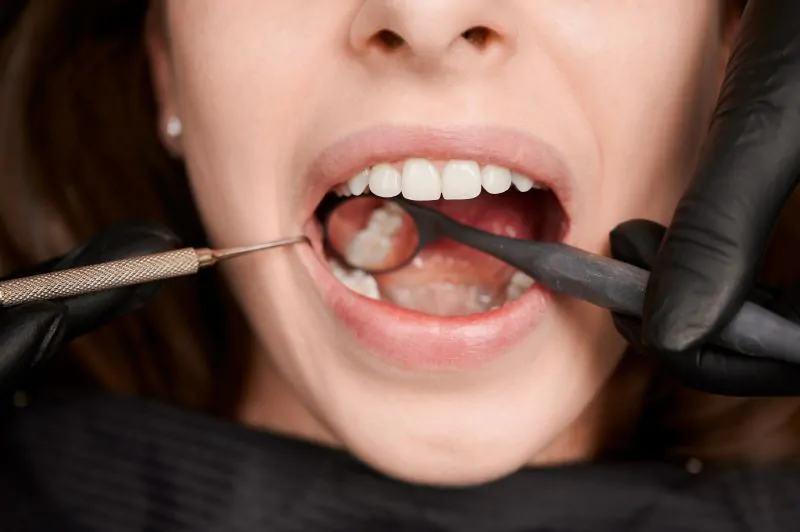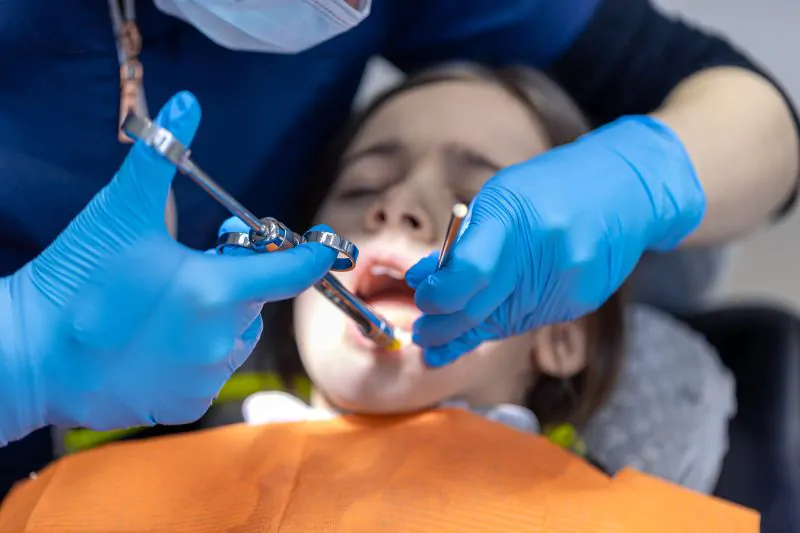
Teeth bonding treatment in Bali serves as an efficient solution for individuals seeking a brighter smile today. Many international travellers now choose cosmetic dentistry to fix chips, gaps, or deep tooth stains.
Deciding between composite resin bonding and porcelain veneers involves evaluating your budget and long-term goals. For Australians in Bali, the opportunity to receive high-quality dental care is a significant advantage.
Bali Sudirman Medical Centre offers expert consultations to guide patients through these life-changing aesthetic decisions. A successful outcome depends on choosing the right procedure for your unique dental structure and lifestyle.
Choosing the Best Path for Your Smile
A beautiful smile can significantly boost your personal and professional confidence levels. Modern cosmetic dentistry offers two primary paths: composite dental bonding and porcelain veneers.
Both methods aim to correct aesthetic issues like discolouration, chips, or minor gaps. However, the materials, costs, and preparation processes differ greatly between these two options.
Understanding these differences is crucial for any patient considering teeth bonding treatment in Bali. This review explores the technical aspects, longevity, and financial benefits of both dental treatments.
What is Composite Dental Bonding?
Dental bonding involves applying a tooth-colored composite resin to the natural tooth surface. The dentist prepares the tooth by lightly roughening the surface and applying a conditioning liquid.
This “roughening” is often minimal and serves to help the resin adhere correctly. The resin is then applied, moulded, and smoothed to reach the desired shape.
A specialised curing light hardens the material, bonding it securely to your natural tooth. Finally, the dentist polishes the bonded area to match the sheen of surrounding teeth.
Key Advantages of Bonding
- Bonding is generally more affordable than laboratory-made porcelain veneers.
- The procedure often takes only one visit to the dental clinic.
- It is considered a conservative treatment because it preserves most natural enamel.
- Anaesthesia is frequently unnecessary for minor chips or small cosmetic gaps.
- The results are immediate, allowing you to walk out with a new smile.
The High-End Alternative: Porcelain Veneers
Veneers are custom-made, thin shells crafted from high-quality porcelain or ceramic materials. These shells are bonded to the front surface of the teeth to change appearance.
Unlike bonding, veneers require more extensive preparation, including some removal of natural enamel. This preparation typically ranges from 0.3 mm to 0.7 mm of the tooth’s surface.
Because enamel is removed, the procedure is considered irreversible in a clinical sense. You will always need a restoration on that tooth once the enamel is gone.
Why Patients Choose Porcelain Veneers
- Porcelain is highly resistant to stains from coffee, tea, or red wine.
- The material mimics the light-reflecting properties of natural human teeth perfectly.
- Veneers are much stronger and more durable than composite resin materials.
- They can correct more significant issues like moderate misalignment or severe staining.
- The average lifespan is significantly longer than that of composite bonding.
Direct Comparison: Longevity and Durability
Durability is a major factor when choosing between these two popular cosmetic treatments. Composite bonding typically lasts between 3 and 7 years before needing repairs or replacement.
Over time, the resin material may stain or chip under heavy biting pressure. Porcelain veneers offer a much longer-term solution for most dental patients.
On average, high-quality veneers can last between 10 and 20 years with proper care. Studies suggest that the survival rate of porcelain veneers is over 90% after ten years.
“The decision between composite and porcelain should be based on the patient’s oral habits. Porcelain is the gold standard for durability, while composite is a versatile tool for immediate repairs.”
— Based on Clinical Guidelines for Aesthetic Dentistry.
Financial Value: For Australians in Bali
For Australians in Bali, the cost of cosmetic dentistry is often the deciding factor. In Australia, a single porcelain veneer can cost between $1,500 and $2,500 AUD.
Composite bonding in Australia ranges from $300 to $600 AUD per tooth. By travelling to Bali, patients often save up to 70% on these professional fees.
These savings allow many patients to afford a full “smile makeover” instead of one tooth. However, it is vital to choose a clinic that prioritises quality over the lowest price.
The Clinical Excellence at BSMC
Bali Sudirman Medical Centre offers a specialised environment for international patients seeking dental care. The facility uses international standards for sterilisation and advanced digital dental technology.
Their dentists understand the aesthetic preferences of patients from Australia and New Zealand. By combining local hospitality with global medical expertise, they provide a safe patient journey.
Patients receive a full assessment of their bite and oral health before any treatment. This ensures that cosmetic enhancements do not compromise the long-term health of the teeth.
Managing Risks in Dental Tourism
While travelling for dental work is popular, patients must remain vigilant and informed. Quality varies between clinics, so researching the facility’s reputation is an essential step.
Check for certifications, dentist qualifications, and the specific brands of dental materials used. Reputable clinics will use brands like Ivoclar Vivadent or 3M for their restorations.
Patients should also consider the time needed for follow-up appointments during their trip. Veneers usually require a week or more to be crafted in a professional lab.
“Quality in cosmetic dentistry is non-negotiable. Using high-grade ceramics and precise bonding techniques is essential for preventing gum inflammation and secondary decay.”
— Expert Insight from International Dental Prosthodontics standards.
The Process: What to Expect in Bali
Your journey begins with a comprehensive digital consultation and dental X-rays. If you choose teeth bonding treatment in Bali, the process is usually done in one session.
For veneers, the first visit involves tooth preparation and taking an impression or scan. You may receive temporary covers while the lab creates your permanent porcelain shells.
A second visit is scheduled to bond the veneers to your teeth permanently. The dentist will then check your bite to ensure the new restorations are comfortable.
Maintenance and Aftercare
Both bonding and veneers require good oral hygiene to last their full lifespan. Brush twice daily and floss regularly to prevent plaque buildup around the margins.
Avoid biting very hard objects like pens, ice, or fingernails with your restorations. Regular dental check-ups are necessary to ensure the bonding or veneers remain secure.
Using a night guard can protect your cosmetic work if you grind your teeth. Non-abrasive toothpaste is recommended to maintain the polish of porcelain and resin surfaces.
Why Bali Sudirman Medical Centre Stands Out
Bali Sudirman Medical Centre offers a transparent pricing model with no hidden fees. The medical team focuses on “minimally invasive” dentistry whenever possible to protect teeth.
They provide detailed aftercare instructions to help international patients manage their results at home. The clinic’s location in Denpasar makes it accessible from major tourist hubs like Kuta.
This convenience allows you to balance your recovery with a relaxing Bali holiday. Trusting an established medical centre reduces the anxiety often associated with medical tourism.
Comparison Summary Table
Here is a quick reference to help you decide which treatment is right.
- Bonding: Fast, cheaper, conservative, lasts 3-7 years, best for small repairs.
- Veneers: Slower, more expensive, irreversible, last 10-20 years, best for total makeovers.
- Preparation: Bonding requires minimal prep; Veneers require enamel removal.
- Stain Resistance: Porcelain is highly resistant; Composite can stain over time.
Frequently Asked Questions (FAQ)
1. Is the teeth bonding process painful?
Generally, it is not painful. Most patients do not need numbing for simple bonding cases.
2. Can I get veneers if I grind my teeth?
Yes, but you must wear a protective night guard to prevent the porcelain from cracking.
3. Are Bali dental standards the same as in Australia?
Top-tier clinics like BSMC follow international safety, hygiene, and sterilisation protocols strictly.
4. How long should I stay in Bali for veneers?
It is best to plan for at least 7 to 10 days for lab production.
5. Can I whiten my veneers if they get dark?
No, porcelain and resin do not respond to whitening. Only natural teeth can be whitened.
6. What happens if a bonded tooth chips?
One benefit of bonding is that it is very easy and inexpensive to repair.
Ready to Renew Your Smile?
Your smile is often the first thing people notice about you. Don’t settle for dental issues that lower your self-esteem and confidence.
Explore the full range of aesthetic options at BSMC Aesthetic Services. Our team is ready to help you choose the best treatment for your lifestyle.
Are you travelling to Bali soon? Let us help you plan your dental visit. Secure your consultation time via our Reservation Page today.
We look forward to welcoming you to the Bali Sudirman Medical Centre soon!