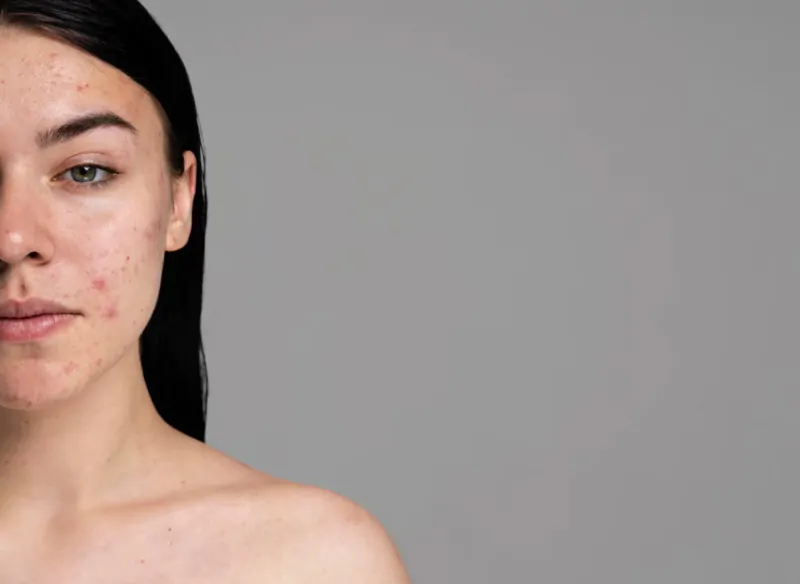
The difference between dirty acne and hormonal acne lies in whether the main triggers come from external factors or internal biological changes. Seeking professional facial treatment can help safely and effectively manage these skin concerns.
This guide may be especially useful for Australians in Bali who experience skin changes in a tropical environment.
Dirty acne is often associated with sweat, friction, heat, and certain occlusive skin products. Hormonal acne is commonly linked to androgen activity and changes in sebum production.
For personalized care, Bali Sudirman Medical Centre offers diagnostic services for a wide range of skin concerns.
What Exogenous Acne Means
The term “dirty acne” is common in everyday language, but it is not a precise medical term. Dermatologists usually refer to these breakouts as exogenous acne or acne mechanica. It does not mean your skin is dirty or that you are not washing properly. Instead, it describes acne that is worsened by external factors such as heat, humidity, pressure, and friction.
In a tropical climate, these triggers can become more noticeable. Sweat, tight clothing, helmet straps, and occlusive products may contribute to clogged pores or irritation. This type of acne often appears on areas that are rubbed or exposed to trapped moisture. It may show up as small red bumps, whiteheads, or inflamed spots.
How Hormonal Acne Develops
Hormonal acne develops through internal processes rather than solely from surface irritation. It is commonly associated with androgen activity, which can increase sebum production in the skin. When excess oil combines with dead skin cells, pores can become blocked. This process may lead to deep, tender breakouts that heal slowly.
Hormonal acne is often seen in adolescents and adult women, especially around menstrual cycles, pregnancy, or menopause. Stress may also make acne worse in some people by affecting inflammation and hormone pathways. Because the issue starts deeper in the skin, hormonal acne often does not improve with simple washing alone. In many cases, it needs a more targeted treatment plan.
How They Differ
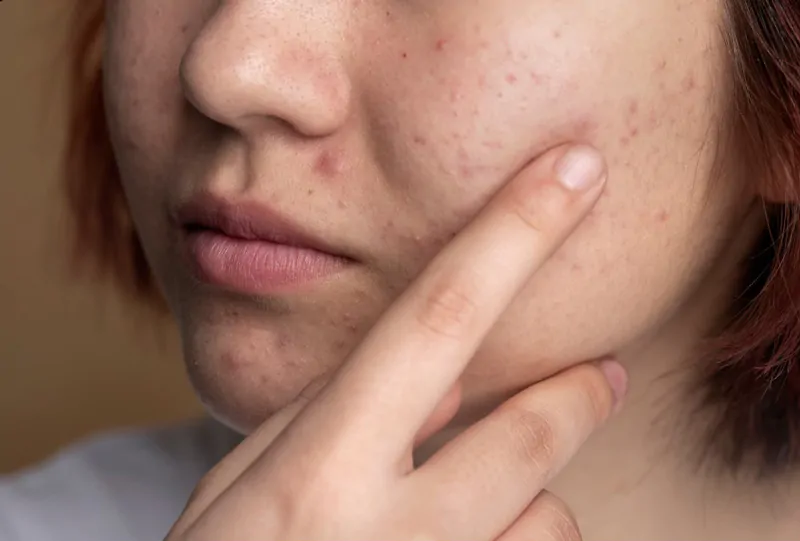
Exogenous acne usually appears in areas where heat, sweat, or friction are common, such as the forehead, shoulders, back, or under mask and helmet straps. The bumps may be small, red, and sometimes itchy. Hormonal acne is more likely to appear on the lower face, especially the jawline and chin. It often feels deeper, more painful, and more persistent than surface breakouts.
Timing can also provide a clue. Exogenous acne may flare after exercise, prolonged exposure to humid weather, or prolonged contact with irritating substances. Hormonal acne often follows a recurring pattern and may worsen at certain points in the menstrual cycle. These patterns are not absolute, but they can help guide treatment choices.
Acne in Tropical Climates
Living in a tropical climate can make acne care more challenging. Higher humidity and frequent sweating may increase the feeling of heaviness on the skin. Dust, pollution, and sunscreen buildup may also contribute to congestion in some people. However, tropical weather does not cause acne on its own; it mainly makes certain triggers more noticeable.
For visitors and residents in Bali, a gentle routine is usually more helpful than aggressive cleansing. A non-comedogenic sunscreen, a mild cleanser, and regular removal of sweat and buildup can support skin health. Over-washing or harsh scrubbing can irritate the skin barrier and make breakouts harder to control. A balanced routine is usually better than trying to strip the skin completely clean.
Treatment Approaches
Exogenous acne often improves when friction, sweat, and occlusive products are reduced. A gentle cleanser, oil-free moisturizer, and non-comedogenic sunscreen may help. Showering after sweating and cleaning items that come into contact with the face, such as helmet straps or pillowcases, can also be useful. Chemical exfoliants, such as salicylic acid, may help keep pores clear.
Hormonal acne usually needs a more targeted medical approach. Topical retinoids are commonly used to reduce pore blockage and support skin cell turnover. Depending on the case, a doctor may also consider hormonal therapy or other prescription treatments. For more persistent acne, procedures such as chemical peels or selected light-based therapies may be considered as part of a broader plan.
When to Seek Help
You should seek professional advice if your acne is painful, deep, leaves scars, or does not improve after several weeks of consistent home care. A clinician can help determine whether your breakouts are mostly exogenous, hormonal, or a combination of both. That distinction matters because the treatment plan is often different for each type. Getting the right diagnosis early can reduce irritation and help prevent lasting marks.
Why Professional Care Helps
A professional skin assessment can identify the factors contributing to your acne and help you avoid unnecessary treatments. Some people use harsh products when their skin would respond better to gentler care. Others try to manage deeper hormonal breakouts with cleansing alone, which often is not enough. Personalized treatment is usually more effective than using the same routine for every type of breakout.
Bali Sudirman Medical Centre offers support for people who want a structured, medically guided approach to skin care. If you are dealing with breakouts in a tropical environment, a consultation can help you choose the most appropriate treatment path.
Frequently Asked Questions
Can sweat cause acne?
Sweat alone does not usually cause acne, but sweat combined with friction, heat, and occlusive products may worsen breakouts in some people.
Is hormonal acne permanent?
No. Hormonal acne can often be managed with the right combination of skincare, lifestyle support, and medical treatment.
Does Bali’s water cause acne?
Water quality is not usually the main cause of acne, although it may irritate the skin barrier in some people. A gentle routine can help reduce that irritation.
Should I use a face scrub?
Physical scrubs can irritate acne-prone skin. In many cases, a gentle chemical exfoliant is a better option.
When should I see a doctor?
If your acne is painful, recurring, scarring, or affecting your confidence, it is a good idea to get a professional opinion.
Ready to restore your skin’s health?
Consult our medical team for a tailored treatment plan. Visit our reservation page to book your consultation.