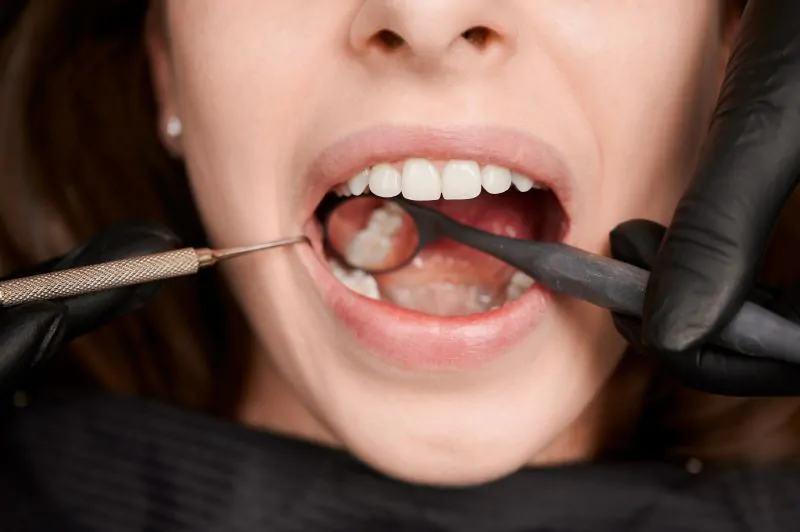
Daily oral care is the foundation of a healthy life. Many people overlook the simple act of cleaning between teeth.
Choosing the best flossing treatment in Bali helps keep your gums firm. Professional guidance prevents long-term dental pain.
Brushing alone cannot reach every hidden surface in your mouth. Plaque often accumulates in these narrow, tight spaces.
Seeking the best dental treatment in Bali helps maintain your beautiful smile. Expert clinics provide essential preventative care services.
Understand what Bali Sudirman Medical Centre offers for your oral hygiene. Their team focuses on precision and patient comfort.
This review explores the science behind flossing versus skipping it. We provide facts to help you make informed choices.
The Hidden War: Plaque vs. Your Gums
Your mouth is a complex ecosystem of various bacteria. Some bacteria are helpful, but many are quite destructive. These microbes form a sticky film known as dental plaque. Plaque constantly forms on every single tooth surface. Brushing removes plaque from the front and the back. However, the spaces between teeth remain completely untouched. These gaps represent about 40% of your total tooth surface. If you do not floss, you leave 40% of your teeth uncleaned. This is like washing only half of your body.
Plaque produces acids that attack your protective tooth enamel. Over time, these acids create small holes called cavities. Between the teeth, these cavities are very hard to see. They often require professional X-rays for a clear diagnosis. Furthermore, plaque eventually hardens into a substance called tartar. You cannot remove tartar with a standard toothbrush or floss. Only a professional dental cleaning can remove hardened tartar. Regular flossing stops plaque from turning into tartar today.
Vital Statistics: The Reality of Oral Health
Data from global health organizations paints a clear picture. The CDC reports that 47.2% of adults have periodontal disease. This number rises to 70.1% for those over age 65. Most of these cases are entirely preventable through habits. Studies show that flossing significantly reduces the risk of gingivitis. Gingivitis is the earliest stage of painful gum disease. It is characterized by redness, swelling, and frequent bleeding. People who floss regularly report much lower rates of bleeding.
Research also highlights the economic impact of dental neglect. A container of dental floss costs very little money. In contrast, a single dental implant costs thousands of dollars. Root canals and crowns are also very expensive procedures. Investing two minutes daily saves you significant future costs. Statistical models suggest flossing adds value to your life. It reduces the need for invasive and painful surgeries later. Prevention is always the most affordable dental strategy available.
Key Facts at a Glance:
- Brushing misses 40% of your tooth’s physical surface area.
- Nearly half of all adults suffer from gum disease.
- Flossing reduces the incidence of interproximal (between) cavities.
- Gingivitis can be reversed with consistent daily flossing habits.
- Untreated gum disease is a leading cause of tooth loss.
The Physical Progression of Gum Disease
What happens when you decide to stop flossing entirely? The progression of gum disease is often very silent. First, bacteria irritate the soft gum tissue around teeth. This stage is gingivitis, which causes minor inflammation. You might notice pink tinting on your toothbrush bristles. This is blood, which indicates an active bacterial infection. Many people ignore this sign because it is painless. However, ignoring bleeding gums is a major health mistake. It allows the bacteria to move deeper into the tissue.
The infection eventually reaches the bone supporting your teeth. This advanced stage is known professionally as periodontitis. During periodontitis, your gums pull away from the teeth. This creates deep pockets that trap even more bacteria. The bone begins to dissolve as your body reacts. Eventually, your teeth lose their stable foundation and loosen. They may shift position or even fall out completely. This process is often irreversible without very expensive surgery. Flossing acts as a barrier against this physical decline.
“The mouth acts as a primary window to your body. Chronic inflammation in the gums triggers systemic health responses. We see clear links between oral neglect and inflammation. Flossing is a critical habit for whole-body wellness today.”
— Dr. Nigel Carter, Chief Executive of the Oral Health Foundation.
Systemic Health: Beyond the Smile
Your oral health is linked to your entire body. Science shows a connection between gums and the heart. Bacteria from the mouth can easily enter your bloodstream. These bacteria can contribute to the buildup of arterial plaque. This increases the risk of heart disease and strokes. People with gum disease often have higher inflammation markers. This inflammation affects the heart and the blood vessels. Protecting your gums may help protect your cardiovascular system.
Diabetes and gum disease also share a dangerous link. High blood sugar increases the risk of gum infections. Conversely, gum disease makes blood sugar harder to regulate. It is a bidirectional relationship that requires careful management. Pregnant women must also prioritize flossing for their safety. Gum disease is linked to premature birth and low birth weight. Chronic oral infections can even impact cognitive health later. Some studies suggest a link to Alzheimer’s disease and inflammation. Your floss protects more than just your white teeth.
How to Floss with Perfect Technique
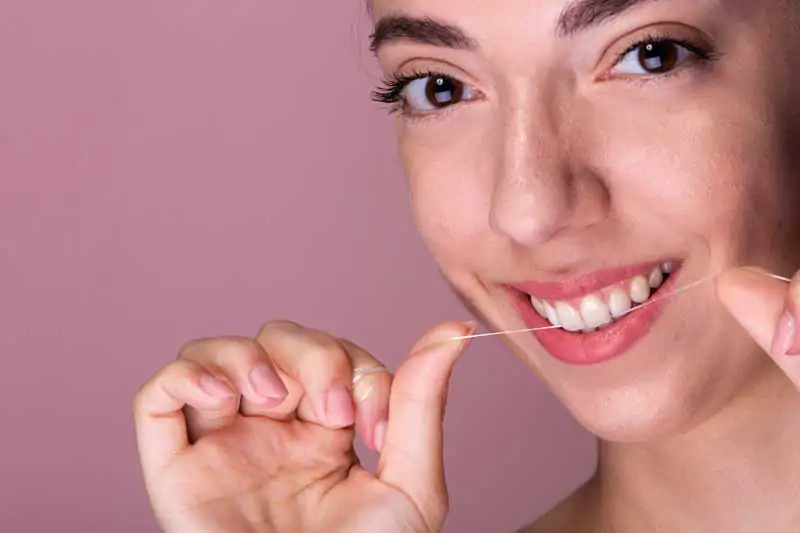
Many people floss but do not see results. This is usually due to poor physical technique. You should start with 18 inches of dental floss. Wrap most of it around your middle fingers. Leave one or two inches for the actual cleaning. Slide the floss gently between two of your teeth. Never snap the floss into your sensitive gum tissue. This can cause bruising and damage the delicate seal. Instead, use a gentle sawing motion to enter.
Curve the floss into a C-shape around each tooth. Slide it up and down against the tooth surface. Make sure to go slightly beneath the gumline safely. This is where the most dangerous bacteria usually hide. Use a fresh section of floss for every gap. This prevents bacteria from being moved from one spot to another. Do not forget to clean the back molars. The very back of the mouth is often neglected. Consistency is more important than using extreme physical force.
“Patients often ask if flossing is truly necessary for them. My answer is always yes for long-term tooth retention. You cannot expect a clean house by sweeping half of it. Flossing reaches the hidden corners that define oral health.”
— Dr. Maria Geisinger, Renowned Periodontist and Professor.
Types of Flossing Tools Available
Standard string floss is no longer the only option. Many people find traditional floss difficult to handle properly. Waxed floss slides more easily through very tight spaces. Unwaxed floss provides more “grip” for removing sticky plaque. Dental tape is a wider, flatter version of floss. It is perfect for people with large tooth gaps. If you have braces, use a floss threader. It allows you to navigate around wires and brackets.
Water flossers use a stream of pressurized water. They are excellent for reducing inflammation and cleaning pockets. Many patients find water flossing much more comfortable overall. Interdental brushes are another great alternative for larger spaces. These small brushes reach where string floss might fail. The best tool is the one you use daily. Talk to a dentist about your specific mouth shape. They can help you choose the most effective tool.
Recommended Flossing Tools:
- Waxed String Floss: Best for crowded or tight teeth.
- Water Flossers: Ideal for braces, implants, and bridge work.
- Dental Picks: Convenient for cleaning while on the go.
- Interdental Brushes: Best for those with gum recession issues.
- Floss Threaders: Necessary for fixed orthodontic appliances.
Professional Dental Treatment in Bali
Home care is only part of the solution. You also need regular professional dental examinations. Bali has become a top destination for dental care. International patients travel here for high-quality, affordable treatments. The clinics use advanced technology for deep cleanings. They can remove tartar that your floss cannot reach. A professional scaling session refreshes your entire mouth instantly. It effectively prevents the progression of early-stage gum disease.
Choosing a reputable clinic is vital for your safety. Look for facilities that follow strict sterilization protocols. The best dental treatment in Bali ensures international medical standards. Expert dentists can identify problems before you feel pain. They use digital X-rays to check for hidden decay. They also provide personalized advice on your flossing habits. This combination of home and professional care is best. It ensures your smile remains healthy for many years.
Why Bali Sudirman Medical Centre is Exceptional
High standards define the care at this facility. Bali Sudirman Medical Centre offers a wide range of services. They specialize in both general and aesthetic dental procedures. Their team understands the needs of international patients well. They provide clear communication and very transparent pricing. You will receive a thorough health assessment. The clinic uses modern equipment for every single procedure. Your comfort is a top priority for their staff.
They offer the best flossing treatment Bali has available. Their hygienists are experts in deep periodontal cleaning. If you have bleeding gums, they can help. They provide painless treatments to restore your gum health. You can also explore their aesthetic service page for smile enhancements. Booking an appointment is very fast and easy. Simply visit their reservation page to secure your time. Take the first step toward a healthier mouth.
The Psychology of Building a Flossing Habit
Why do so many people struggle to floss? It is often perceived as an extra chore. However, building the habit takes only 21 days. Try flossing at the same time every day. Many people prefer to floss before they go to sleep. This removes the day’s food before it sits overnight. Keep your floss in a very visible place. Seeing it reminds you to complete the task. Start by flossing just one or two teeth.
Small steps lead to long-term success in habits. Reward yourself for staying consistent for a full week. Soon, your mouth will feel “dirty” if you don’t floss. This sensation is a sign of a strong habit. Your gums will also stop bleeding very quickly. This visual progress serves as a great personal motivator. A healthy mouth leads to much higher self-confidence. You will smile more often in social situations. Flossing is a small act with massive benefits for your life.
Frequently Asked Questions (FAQ)
1. Does flossing really prevent heart disease?
Flossing reduces oral inflammation and systemic bacterial spread. This reduces the risk of cardiovascular complications. It is a vital part of preventative medicine.
2. Can I use a toothpick instead of floss?
Toothpicks can remove large food particles between teeth. However, they cannot remove the plaque film. Floss is much more effective for cleaning gums.
3. Is it better to floss before or after brushing?
Flossing before brushing is often recommended by many dentists. It loosens debris so the toothpaste can reach deeper into the teeth. This maximizes the effectiveness of your fluoride exposure.
4. Why do my gums bleed when I start flossing?
Bleeding is a sign of existing gum inflammation. As you floss daily, the infection will heal. The bleeding should stop within one or two weeks.
5. Can children use water flossers safely?
Yes, children can use them with adult supervision. They are often easier for kids than string floss. It helps them build good habits early in life.
Do you experience gum pain or persistent bad breath? Are you looking for professional dental care in Bali? Our experts are here to help you today.
Contact Bali Sudirman Medical Centre for a professional consultation. We focus on your long-term oral wellness and comfort.