Porcelain and zirconia veneers represent distinct cosmetic pathways for patients. Glass-ceramic veneers include feldspathic, leucite-reinforced, and lithium disilicate ceramics.
These materials are widely recognized for natural-looking translucency. Conversely, zirconia veneers use a crystalline oxide structure that offers high flexural strength. Comparing these properties with your dental goals helps set realistic expectations and plan follow-up care.
Bali Sudirman Medical Center lists service options on its platform, including porcelain and zirconia veneers, alongside general procedural timelines spanning two to three visits over roughly ten days. Because specific material formulations and exact cost breakdowns depend on individual clinical evaluations, patients must confirm exact pricing and material specifications directly with the clinic before scheduling.
Overview: Porcelain Veneers and Zirconia Veneers
Porcelain veneers and zirconia veneers are popular choices for correcting aesthetic dental flaws such as discoloration, chipping, or minor spacing. However, they utilize fundamentally different material classes. Porcelain falls under glass-ceramics, and some glass-ceramic veneers can offer highly natural-looking translucency. Zirconia is a crystalline metal oxide known for strong structural resilience.
Peer-reviewed prosthodontic literature highlights differing evidence bases for each material. Feldspathic, lithium disilicate, and leucite-reinforced glass-ceramic veneers have robust long-term survival data extending beyond a decade. Zirconia veneer evaluations show promising outcomes in shorter observation windows but currently lack equivalent ten-year tracking data. Patients should discuss these empirical distinctions with their dentist before finalizing a treatment plan.
What are Porcelain and Zirconia
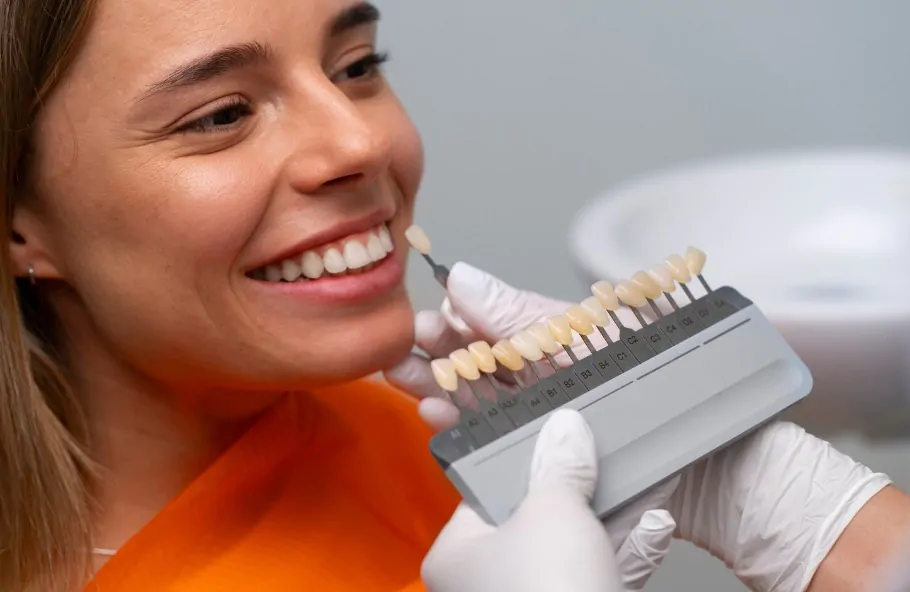
Porcelain veneers are ultra-thin shells crafted from glass-ceramic materials that bond securely to the front surface of anterior teeth. Their primary clinical advantage lies in aesthetic appearance, making them ideal for visible smile zones where shade matching is paramount. They require precise laboratory fabrication to match adjacent natural teeth seamlessly.
Zirconia veneers are constructed from zirconium dioxide, a robust ceramic material prized for high flexural strength. While traditional zirconia was primarily used for full-coverage crowns because of its opacity, modern multilayered formulations offer greater aesthetic versatility for veneer applications. However, bonding zirconia requires specialized surface treatments that differ significantly from standard glass-ceramic etching techniques.
Which One is Suitable for You
Determining the appropriate veneer material depends on a thorough clinical assessment of your bite, enamel thickness, and aesthetic expectations. Dentists evaluate functional forces and dental history to recommend the safest path forward. Neither material is universally superior; each serves distinct clinical indications.
- Aesthetic appearance: Glass-ceramics excel in anterior zones requiring high translucency and lifelike shade matching.
- Strength characteristics: Zirconia offers high flexural strength, though clinical suitability depends heavily on precise thickness design and bite alignment.
- Preparation requirements: Tooth reduction protocols differ between glass-ceramics and zirconia, requiring individualized planning by an experienced clinician.
- Clinical evidence: Glass-ceramic veneer selections are backed by extensive multi-year survival studies, whereas zirconia veneer data reflects shorter observation periods.
How to Care for Porcelain and Zirconia for Longevity
Maintaining dental restorations demands disciplined daily oral hygiene habits. Brushing twice a day with non-abrasive fluoride toothpaste protects the surface glaze from micro-scratching. Daily flossing removes plaque accumulation along the restoration margins where teeth meet the gumline. Good home care helps protect the underlying tooth structure.
Routine dental examinations allow clinicians to monitor marginal integrity and bite alignment. Patients should avoid parafunctional habits such as biting hard objects or chewing ice. If a patient exhibits nighttime teeth grinding, a clinician may evaluate whether a protective nightguard is appropriate following a comprehensive functional exam.
Porcelain Veneers and Zirconia Treatment for Australians in Bali with BSMC
Australians considering dental treatments abroad often look to regional destinations that balance clinical care with travel. Bali Sudirman Medical Center provides structured cosmetic dental services for international patients. Official clinic schedules indicate that veneer procedures typically involve two to three appointments across an estimated ten-day window.
Transparent planning is essential when coordinating dental travel. BSMC lists porcelain veneers and zirconia veneers as separate service options, though patients must confirm whether prices apply per unit and verify total treatment scopes beforehand. While international dental care offers unique opportunities, patients should carefully review follow-up logistics and post-treatment maintenance upon returning home.
Frequently Asked Questions
What is the difference between porcelain and zirconia veneers?
Porcelain veneers are glass-ceramics that offer high translucency for anterior aesthetics, while zirconia veneers use a crystalline oxide structure known for high flexural strength and distinct bonding requirements.
Do zirconia veneers have the same long-term study data as porcelain veneers?
No. Glass-ceramic veneers are supported by extensive multi-year survival studies exceeding a decade, whereas clinical data for zirconia veneers currently stems from shorter observation windows.
Is the veneer placement process painful?
Local anesthesia is typically used during tooth preparation to help manage comfort, though individual sensitivity can vary.
How can I verify costs and appointment scheduling at BSMC?
Patients can review listed prices and service details on official clinic platforms and coordinate schedules with the administrative team before traveling.
Ready to discuss your cosmetic dental options with qualified professionals? Explore specific service details on the BSMC Service Page, or coordinate your consultation schedule directly through the Reservation Page.