Dental treatment in Bali has become a notable consideration for international patients seeking more affordable healthcare options. For Australians in Bali, the combination of travel and medical care presents a unique economic proposition today.
Bali Sudirman Medical Centre offers various dental procedures ranging from general check-ups to more complex restorative surgeries. Rising costs in the Australian private health sector drive many to look toward Southeast Asian medical providers.
Patients often evaluate the benefits of lower prices against the potential risks of receiving care abroad. This review analyses why this trend persists and how clinics like BSMC operate within this growing market.
The Economic Landscape: Australia vs Bali
The Australian Dental Association (ADA) frequently highlights the high cost of local dental care. These costs are often driven by strict regulatory requirements and high labour expenses. Consequently, many Australians find major procedures like implants or bridges financially out of reach. This creates a demand for international alternatives where operational overhead is lower.
In Indonesia, the cost of living and business operations allow for more competitive pricing. However, patients must remember that the “sticker price” is only part of the equation. Total costs include flights, accommodation, and potential follow-up care. A thorough financial comparison is essential before booking any international medical trip.
Indicative Cost Comparison (Approximate AUD)
Note: These prices are indicative and vary based on individual clinical needs and material choices.
- Dental Implant (Single): Australia ($4,500–$6,500) vs Bali ($1,500–$2,500).
- Porcelain Crown: Australia ($1,500–$2,000) vs Bali ($500–$800).
- Full Mouth Rehabilitation: Australia ($30,000+) vs Bali ($10,000–$15,000).
- Veneers (per tooth): Australia ($1,200+) vs Bali ($450–$600).
At Bali Sudirman Medical Centre, specific pricing is transparently discussed during consultations. Porcelain crowns often range between IDR 5,000,000 and IDR 5,700,000. These figures illustrate the significant baseline price difference for Australian visitors.
The Perspective of Professional Associations
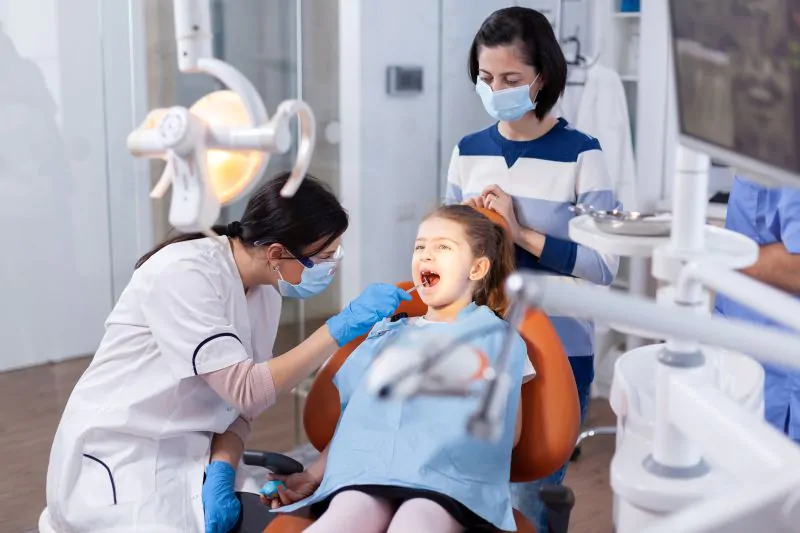
It is vital to consider the warnings issued by domestic health bodies. The ADA advises Australians to be cautious when seeking “dental tourism.” They emphasise the importance of continuity of care and long-term follow-up. Legal recourse in Australia does not apply to treatments performed in foreign jurisdictions. Therefore, choosing a reputable and established clinic is a critical safety step.
Reputable clinics in Bali respond to these concerns by adopting international protocols. They focus on maintaining detailed medical records that patients can take home. Many also use globally recognised brands for implants and ceramics. This ensures that a dentist in Australia can service the hardware if necessary. Integration with global standards is the primary goal of top-tier Balinese centres.
“Patients considering dental work abroad should prioritise clinics that offer transparent sterilisation logs. It is essential to verify that the materials used are compatible with Australian dental standards. Always ask for a comprehensive treatment plan and a record of the specific implant brands used.”
— Dr Mark Taylor, Oral Health Specialist (Consultant on Cross-Border Care).
Clinical Standards and Technology in Denpasar
Denpasar has evolved into a central hub for professional medical services in Bali. Unlike the beachside tourist areas, Denpasar clinics often cater to both locals and expats. This creates a stable clinical environment focused on long-term results. Bali Sudirman Medical Centre offers modern diagnostic tools like 3D CBCT scans. This technology is vital for planning safe and accurate implant placements.
Key Features of BSMC Dental Services
- Established Presence: Providing medical and dental care since 2017.
- Diagnostic Precision: Use of advanced 3D imaging and digital scanners.
- Material Transparency: Utilising recognised international brands for prosthetics.
- Professional Communication: Staff proficient in English to assist international patients.
- Central Location: Situated in Denpasar, the medical heart of the island.
Addressing Risks and Insurance Realities
A common question for Australians in Bali involves health insurance coverage. Most private health funds in Australia do not cover elective treatments performed overseas. Furthermore, travel insurance often excludes complications arising from elective surgeries. Patients must be prepared to pay for any corrective work out of pocket. This financial risk should be factored into the overall decision-making process.
To mitigate these risks, patients should request a formal warranty from their clinic. Some clinics provide limited guarantees on the success of implants or lab work. However, these warranties usually require the patient to return to Bali. It is also wise to consult a local Australian dentist before departing. They can provide a baseline assessment of your current oral health status.
The “Wellness” Factor in Recovery
The psychological aspect of dental care is often overlooked. Dental anxiety is a significant barrier for many patients in Australia. The relaxed atmosphere in Bali may help some individuals feel more comfortable. Balinese culture is known for its hospitality and gentle approach to care. This can make the clinical experience feel less clinical and more supportive.
However, patients should not let the “holiday vibe” lead to poor post-op choices. Alcohol consumption and sun exposure can interfere with the healing process after surgery. Proper rest is essential, especially after invasive procedures like extractions or implants. A quiet villa is often a better recovery spot than a busy beach club. Following post-operative instructions is the patient’s most important responsibility.
For more detailed information on specific procedures, visit the BSMC dental service page. This resource explains the technical aspects of their offerings. Proper education is the first step toward a successful outcome.
The Future of Regional Medical Care
As travel becomes more accessible, regional medical hubs will likely continue to grow. Indonesia is investing heavily in medical tourism infrastructure to compete globally. Improved hospital standards and specialist training are part of this national strategy. This long-term commitment provides more confidence to international visitors. Bali is positioning itself as a destination for quality-conscious medical travellers.
Technological advancements will continue to make remote consultations more effective. Patients can now send their X-rays to Bali for a preliminary assessment. This reduces the uncertainty of travelling for a procedure without a plan. While nothing replaces a physical exam, digital tools improve the planning phase. The future of dentistry is increasingly borderless and patient-centric.
Frequently Asked Questions (FAQ)
1. Is the sterilisation at Bali clinics up to Western standards?
Top-tier clinics like BSMC utilise modern autoclave systems and disposable materials. Patients are encouraged to ask to see the sterilisation area if they have concerns. Transparency in hygiene is a hallmark of a professional medical facility.
2. How many trips to Bali are required for a dental implant?
Typically, two trips are necessary for a permanent dental implant. The first trip involves the surgical placement of the implant post. A second trip, usually 3 to 6 months later, is required for the final crown. This ensures the implant has properly fused with the bone.
3. Can I get a quote before I leave Australia?
Yes, most clinics offer remote assessments based on your recent X-rays. Bali Sudirman Medical Centre offers a process for reviewing dental records online. This allows for a more accurate estimation of costs and time required.
4. What happens if an implant fails after I go home?
Implant failure is rare but possible in any country. You should discuss the clinic’s failure policy before proceeding. Usually, the clinic will replace the implant for free, but you must pay for your travel. This is a primary reason to choose a clinic with a long history.
5. Why is the treatment so much cheaper than in Sydney?
The primary drivers are lower labour costs, cheaper rent, and lower insurance premiums for doctors. Additionally, the cost of materials in bulk for a medical tourism hub is often lower. The lower price does not inherently mean lower quality of care.
Consult with a Professional
Are you ready to explore your options for dental treatment in Bali? Making an informed choice starts with a direct conversation with the experts. Our team can help clarify the timeline and requirements for your specific case.
Why wait any longer to address your oral health needs? Bali Sudirman Medical Centre offers a path to clinical excellence and financial sense. We invite you to ask us any questions regarding materials, hygiene, or travel logistics.